Transcription of Self-esteem - ADAVIC
1 >Anxiety Disorders Association of Victoria, SHEETYour mind is agarden, yourthoughts are the seeds, you can grow flowers, or you can grow is Self-esteem ? Self-esteem refers to our own sense of worth as a person. It s a complex issue, but essentially Self-esteem is our internal rating of whether we are adequate or inadequate: it is our opinion of how well we respect and like ourselves. It is common for our esteem to vary across different experiences and areas of our life, such as work, relationships, and recreation, particularly as we face the highs and lows of success and failure (situational esteem ). Overall however, our general level of esteem about ourselves seems to stay relatively constant (global esteem ). High Self-esteem means a person has a strong sense of self -respect, self -worth, confidence, and a feeling of basic goodness and acceptance about themselves. In contrast, low esteem usually involves self -doubt, timidity, insecurity, self -criticism, self -punishment, negativity, feelings of inferiority, anger, guilt, and is low Self-esteem a problem?
2 Whilst it s difficult to feel great about ourselves all the time, some people unfortunately deal with a consistently low sense of esteem thinking poorly of themselves, not feeling worthy of love or attention. This is problematic as it may lead to strained relationships, loneliness, social isolation, poor health (both physical and mental), missed opportunities, unfulfilled potential, and healthy is your esteem ? Do you recognise any of the following? Thoughts: Do you have a low opinion of yourself? Do you typically think of yourself in negative or critical ways? Do you compare yourself unfavourably to others? Do you doubt your decisions and actions, fearing you can t do things well Feelings: Do you feel like you aren t worthy? Do you feel guilty or ashamed about your place in the world (feeling like a fraud )? Do you feel inferior when you compare yourself to others? Do you feel depressed or anxious due to your poor self -belief? Behaviours: Do you avoid tasks because you lack belief that you can do them properly?
3 Are you timid and insecure around others? Do you talk down about yourself with others? Do you minimise compliments you receive?ImprovingSelf-esteemWhat can I do differently? Here are some ACTIONS:ThoughtI often think that I m no good at instead of looking only at what I m NOT, I can look at what I AM. I can acknowledge my positives and boost myself UP rather than drag myself DOWN. Other people would objectively be able to list many positives about me perhaps I can give these more feel so worthless. I feel I have to be perfect before people will value people are very accepting of others. I accept others who aren t perfect. Perhaps I can accept myself as I am flawed, imperfect, avoid doing things because I m not good enough to do am much more capable than I admit. I may not be the best ateverything, but I ve got plenty of skills. It s good for me to give things ago even if they are challenging I ll gain more confidence over time. Challenge your low Self-esteem !
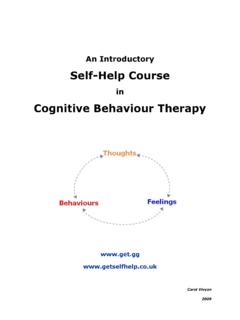
4 Anxiety Disorders Association of Victoria, in my value as a personYou may believe that you don t have any natural good qualities feeling inherently worthless . Challenge yourself: every single person in the world has worth, including you. You are the only one that can make this statement real for you to acknowledge that it can be true. This may take some time perhaps you ve had decades of criticism (from yourself or others). Notice your negative self -talk; I m no good , I can t do it . Our thoughts are powerful if we constantly think in negative ways this becomes a selffulfilling prophecy, impacting our confidence, self -belief, and we THINK influences how we FEEL which influences how we BEHAVE. Believe in yourself. Appreciate who YOU are. You might not believe that you are the most excellent, wonderful, and perfect person but you don t have to. Perhaps you can start with just being okay . I AM OKAY. Become comfortable with that. Then you can work on making the best version of kind to yourself would you dare treat other people the way you treat yourself?
5 Encourage yourself research shows that benefits come from being hopeful, optimistic, and embracing positive language and : self -acceptance; cognitive-reframing; positive psychology; optimism; REBTI m good, not perfectWe may think that we need to be perfect otherwise people will see our flaws. We don t like making mistakes or failing in case it gives others proof that we are no good and shouldn t be valued. We are our harshest critics condemning our performances, minimizing our positives, and setting excessive standards ( musts ). Our need for perfection overwhelms us, holding us back from making decisions, or taking actions and opportunities. Aim for good, not for perfect. Be selective in applying your high standards think about why you are setting them and for whom? Practice setting realistic goals and try not to compare yourself with others. Take small risks and fail often mistakes are essential for learning: we get good at things by being bad at them first.
6 Give yourself credit for each step you : Perfectionism; fear of failure; procrastination; indecisiveness; SMART goalsBuilding my skills and confidence achieve by startingWe might not think we have the skills or competence to do anything well. Realistically we CAN and DO achieve more than we give ourselves credit for. Sometimes we can strengthen our esteem just by giving things a go . Find an activity you want to achieve. Break the task into smaller tasks to get a realistic appreciation of what s involved. Allow yourself freedom to explore with trial and error; attempt small steps which are within reach, enabling you to get quick wins which boost confidence. Ramp up the difficulty as you go. Most achievement is hard work keep trying effort builds : Achievement; positive risk-taking; willpower; motivation; ACT therapyThis tip sheet was made possible through support and funding by:10 days to great Self-esteem : 10 easy steps to brighten your moods and discovering the joy in everyday , David, Dr.
7 (2000). ADAVIC can refer you to therapists who specialise in working with Self-esteem . You may also want to share yourexperiences we can link you to peer support groups and online forums.>> For more tips and resources see series of online resources fromself- esteem assessments to overcoming low Self-esteem learning modules is available at TALK TO OTHERSBOOKSONLINE