Transcription of Sensory Assessment List
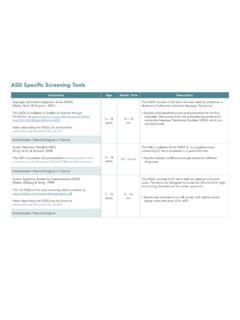
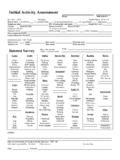
1 Sensory Assessment List Robert Cox, Life Recovery Consulting, 2016 Tactile Issues (Touch): Issue Seeks Avoids Neutral Being touched specific areas (specify) Hugs, snuggling, etc Clothing: tight, loose, materials (specify) Getting hands, face, etc messy or wet Using towels after bath Crowds or personal space issues Walking barefoot Personal grooming (brushing hair, teeth, nails, etc) Scores: _____ _____ _____ Proprioceptive issues: Issue Seeks Avoids Neutral Jumping, bouncing into things, climbing, hanging, etc Perching in high places, risky bike riding, jumping from heights, other risky behavior Fine motor tasks (picking up small beads, etc) Physically demanding tasks requiring muscle Having eyes closed or covered while walking Scores: _____ _____ _____ Vestibular Issues: Issue Seeks Avoids Neutral Spinning in circles Shaking head from side to side or back and forth, hanging upside down Rocking Balance activities (biking, skating, etc) Walking on soft deep carpet, snow, sand Riding in a car or on a sled, etc Scores: _____ _____ _____ Vision Issues.
2 Issue Seeks Avoids Neutral Reading for longer than a couple of min. Shiny, spinning objects like pinwheels or chandeliers Hidden picture puzzles or mazes Going to crowded public places Light sensitivity or seeking Action packed, colorful TV or computer Using a kaleidoscope or looking through colored glasses Scores: _____ _____ _____ Auditory Issues: Issue Seeks Avoids Neutral Loud noises in general Loud noises at specific frequencies Music, TV at too high or too low volume Conversation in noisy areas Concentration in noisy areas Rapid verbal instructions (games, etc) Back and forth conversations Alone time Scores: _____ _____ _____ Taste and Smell Issues Issue Seeks Avoids Neutral Certain food textures (specify) Strong citrusy flavors Spicy foods Tangy foods (Sharp cheese, etc) Chemical smells (plastic, bleach, etc) Crunchy foods Soft foods Perfumes, strong odors Scores: _____ _____ _____ Creating a Sensory Diet Using the list above you can easily assess whether the individual is over or under sensitive in each region.
3 Add the marks in each column. If there is an overwhelming tendency in one area or the other then you need to start there first in developing the Sensory diet. Below are some links to resources with lists of activities for meeting those needs. These activities will be hit and miss for the individual so it will require tracking what is and is not having an effect. Once you find a list of things that begin working try and integrate more things like that. Here is a link to a good article on Sensory diets and how to think about implementing them: This is a site that provides fantastic Sensory activities for kids: play activities/83 Essentially you will need to be creative in putting the diet together and simply let the individual tell you (through behavior and verbally) what is working for them.