Example: confidence
The postpartum visit - RACGP
advise about avoiding constipation. Identify any surgical wound infection if present and treat with oral cephalexin 500 mg four times per day. Tiredness and fatigue Tiredness and fatigue are the most common problems identified by new mothers.8 Conditions to exclude are anaemia, postpartum depression and thyroid disease.
Tags:
Information
Domain:
Source:
Link to this page:
Documents from same domain
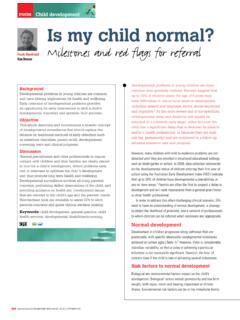
Child development Is my child normal? - RACGP
www.racgp.org.auChild development Is my child normal? Frank Oberklaid Milestones and red flags for referral Kim Drever Background Developmental problems in young children are common and have lifelong implications for health and wellbeing.
Guideline for the management of knee and hip osteoarthritis
www.racgp.org.auGuideline for the management of knee and hip osteoarthritis. Second edition Disclaimer The information set out in this publication is current at the date of first publication and is intended for use as
General practice management of type 2 diabetes
www.racgp.org.auGeneral practice management of type 2 diabetes – 2014–15 Disclaimer The information set out in this publication is current at the date of first publication
Guideline for the non-surgical management of hip and knee ...
www.racgp.org.au3 Guideline for the non-surgical management of hip and knee osteoarthritis July 2009 INTrOduCTION Chronic disease is a major public health burden on Australian society.
National guide to a preventive health assessment for ...
www.racgp.org.auNational guide to a preventive health assessment for Aboriginal and Torres Strait Islander people iii Third edition Acknowledgements This National guide to a preventive health assessment for Aboriginal and Torres Strait Islander people is a collaborative effort of the National Aboriginal Community Controlled Health Organisation (NACCHO) and
Helicobacter pylori - the latest in diagnosis and treatment
www.racgp.org.auneoplastic changes (atrophic gastritis and intestinal metaplasia) of the gastric mucosa. However, definite evidence on whether H. pylori eradication can reduce the risk of developing gastric adenocarcinoma is lacking. It is likely that cancer risk persists for several years after the bacterium is gone.13 Extra-intestinal disease
Emergency drugs in general practice
www.racgp.org.auTable 2. Emergency drugs: presentation, contraindications, and potential adverse reactions (in emergency use) continued Drug presentation contraindications (other than known allergy) adverse reactions Salbutamol: MDI: 100 µg/dose Nebuliser: 2.5 mg or 5.0 mg/2.5 mL Nil Tachycardia, tremor
professional How to complete a death certificate
www.racgp.org.auprofessional Case study The general practitioner received a telephone call from the police asking if she could write a death certificate for a patient who had attended the practice. The man, 83 years of age, had been found dead in bed by his wife that morning. One of the GP’s colleagues
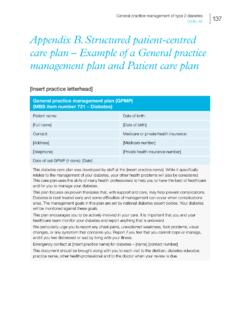
Appendix B. Structured patient-centred care plan – Example ...
www.racgp.org.auRenal function: Estimated glomerular filtration rate (eGFR) is an indicator of overall kidney function Microalbuminuria Microalbuminuria is a sign of kidney stress. Identification at an early stage can prevent kidney problems and/or progression to kidney failure eGFR Reduce albuminuria by decreasing BP and blood glucose levels Foot examination:
Primary hyperparathyroidism PRACTICE
www.racgp.org.au<0.5% of patients with hyperparathyroidism.1 Risk factors for primary hyperparathyroidism include neck irradiation and lithium treatment. Classic presentations include: fractures, renal calculi, pancreatitis and neuropsychiatric disturbances; hence the traditional aide memoir ‘bones, stones, abdominal moans and psychic groans’.
Related documents

Fluid Requirements for Children - Complex Child
www.articles.complexchild.comChildren on special diets or who are tube fed require more careful monitoring of fluid intake. Many of these children suffer from chronic low-level dehydration, which can contribute to worsening reflux, constipation, stomach discomfort, and even irritability or

PACKAGE LEAFLET: INFORMATION FOR THE USER Duphalac
www.medicines.org.ukConstipation Adults and adolescents: The starting dose is 15-45ml or 1-3 sachets per day. After this the dose can be adjusted to 15-30ml or 1-2 sachets daily. Children 7 to 14 years: The starting dose is 15ml or 1 sachet daily. After this the dose can be adjusted to 10-15ml or 1 sachet daily. Children 1-6 years: The usual dose is 5-10ml daily.
THE AMERICAN THYROID ASSOCIATION (ATA)
thyroid.orgIn some babies, the thyroid cells or their enzymes do not function correctly or are affected by medications taken by the mother. In others, the thyroid may make enough hormone for a while but later stops functioning as the child gets older or becomes an adult. In the United States, all children are tested at birth for hypothyroidism. THYROIDITIS