Transcription of Your Diabetes Care and Management Plan
1 your Diabetes Care and Management PlanTaking Charge of your Journey with Type 2 DiabetesContents3 Lead your Diabetes Care Team5 manage your Blood Sugar 8 Protect your Heart Health10 Protect your Kidney Health12 Protect Yourself from Other Diabetes Complications14 your Diabetes Care and Management Plan SummaryIt s really important that people with Diabetes know that following a Diabetes care plan can help them stay tends to change over time. At first, diet and exercise might be enough. But down the line, most people will need medication to stay healthy. Needing one or more medications does not mean you failed. It just means your Diabetes is progressing and you didn t do anything wrong.
2 Dr. K. Allen. The more you understand about managing your Diabetes and take an active role in your care, the better your health will is your guide to creating a Diabetes care and Management plan that works for you. Work with your Diabetes care team to put this together. It will help you: Understand your lab results and what they mean for you Set goals for your lab results and overall health Create a medication and lifestyle plan that is right for you Learn to manage your diabetesIn creating this Diabetes care and Management plan you should use information that you and your Diabetes care team have on file. Remember to always bring your most recent blood sugar (blood glucose) records, lab results and a list of current medications to every visit with your Diabetes care provider.
3 This will make sure you and your Diabetes care team are using the most up-to-date information in creating a plan for the Diabetes Care and Management Plan Summary at the end to track your goals and progress over are the most important member of your Diabetes care team. This publication is sponsored by the Overcoming Therapeutic Inertia Initiative of the American Diabetes Association (ADA) with strategic sponsors AstraZeneca and Sanofi, plus supporting sponsors Merck and Novo your Diabetes Care TeamType 2 Diabetes progresses over time as your body slowly makes less insulin and becomes unable to use the insulin you make as well as before. These changes mean your medications and Diabetes Management plan need to change too.
4 The plan that works for you is going to be different from anyone else. Taking steps to stay on top of your blood sugar levels and adjust therapy quickly is important. It will help you feel better now and help you stay healthier throughout your is a hormone that helps your body process your blood sugar (blood glucose) and helps turn it into energy your body can use. When you have type 2 Diabetes , your body does not make or use insulin the way it should or doesn t make enough. This causes your blood sugar levels to rise too high. Who do you need on your Diabetes care team?Health care providers with the experience and skill to manage your Diabetes , and who you trust.
5 This could include: Doctor, nurse practitioner or physician assistant Registered dietitian nutritionist (RDN) or nutritionist Certified Diabetes Care and Education Specialist (CDCES) Pharmacist Eye doctor (optometrist or ophthalmologist) Foot doctor (podiatrist) Mental health professional (social worker, psychologist) Community health worker Exercise specialist Family and friends who support you. Include them and share your needs with CONNECTED FOR LIFE Set goals together. Make goals that are realistic and achievable. Understand that they will change over time as your Diabetes changes. Learn about your Diabetes and Diabetes treatment.
6 Get information and education about how you can manage your Diabetes yourself. Most Diabetes Management decisions will be made by you. Make sure you participate in Diabetes education. Ask for a referral to Diabetes self- Management education and support (DSMES) services. Diabetes care and education specialists are specially trained to address your questions and concerns and help you gain the skills and knowledge to manage your Diabetes and live well. Develop a plan. Work with your Diabetes care team to create a plan that works for you and follow it. It should include medications, if needed, an eating plan and how to work in physical activity to your day.
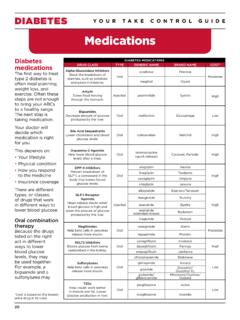
7 It may also include what to do if you re not getting to your blood sugar targets. Take your medications as agreed. Over time, you may need several medications to manage your Diabetes . Each medication helps manage blood sugar levels in a different way. If you have to take more than one medication, it does not mean you failed. Talk with your Diabetes care team about concerns or side effects like hypoglycemia (low blood sugar) and make changes together that address your concerns. Use technology. Monitor your blood sugar levels as directed and share the data with your Diabetes care team members. your care plan will change based on what your blood sugar data tells you and your Diabetes care team.
8 Meet with your Diabetes care team members regularly. This may be monthly at first and less often later. Working with them to get your Diabetes managed quickly will help you stay healthy longer. Share your concerns. Tell your care team about anything getting in the way of following your plan and achieving your goals. This might include the cost of medication, transportation challenges or emotional issues like depression. Ask for help. You can view mental health support resources at Ask for referrals. Diabetes self- Management education and support (DSMES) services is an important part of your treatment, especially when you have any change in your treatment plan.
9 It may also be helpful to meet with a Diabetes care and education specialist, pharmacist or dietitian to help you to stay on track. Seeing a mental health professional if you feel depressed or just plain burnt out is also a good idea. Take charge of your health! Use this booklet to help you manage your Diabetes and meet your goals. How can you best work with your Diabetes care team?1-800- Diabetes (800-342-2383) 4 Blood sugar levels change constantly. You and your Diabetes care team will work out a Management plan to keep blood sugar levels within your target range. Keeping blood sugar in range will help you feel better every day and keep you healthy in the future.
10 A healthy eating plan and active lifestyle are the foundation of all blood sugar Management plans. Most people with Diabetes will eventually need one or more medications to keep blood sugar within their target range. You and your Diabetes care team will know if your plan is successful by using several kinds of data or information: manage your Blood Sugar (also called blood glucose) A1C blood test (every three to six months): This measures your average blood sugar for the last two to three months. The American Diabetes Association recommends an A1C of less than 7 percent for most people with Diabetes . An A1C of 7 percent is equal to an average blood sugar of about 154 A1C goal: _____Your A1C today: _____ Checking daily blood sugar: You can check your blood sugar anywhere using a blood sugar meter or continuous glucose monitor (CGM).