Transcription of BSBADM502 Manage meetings
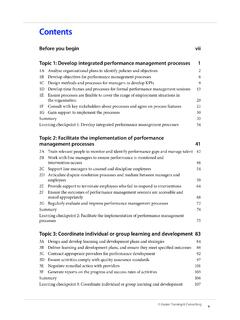
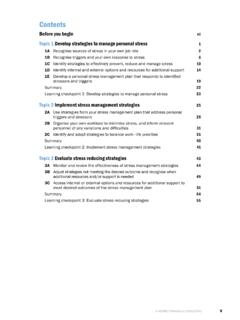
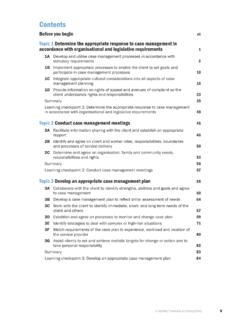
1 Aspire Training & ConsultingvContentsBefore you begin viiTopic 1: Prepare for meetings 11A Develop an agenda 21B Ensure an appropriate style and structure for the meeting 101C Identify meeting participants and notify them of the meeting 161D Confirm meeting arrangements 211E Dispatch meeting papers within designated time lines 30 Summary34 Learning checkpoint 1: Prepare for meetings 35 Topic 2: Conduct meetings 412A Chair meetings according to requirements and agreed conventions 422B Ensure meetings are focused, time-efficient and achieve outcomes 522C Facilitate participation, discussion, problem-solving and issue resolution 562D Brief the minute-taker 61 Summary67 Learning checkpoint 2: Conduct meetings 68 Topic 3: Follow up meetings 773A Check the accuracy and format of meeting notes 783B Distribute and store minutes and other follow-up documentation 803C Report meeting outcomes within designated time lines 83 Summary85 Learning checkpoint 3: Follow up meetings 862 Aspire Training & ConsultingBSBADM502 Manage meetingsAn agenda is a framework that supports the meeting and allows matters to be discussed in an orderly fashion.
2 It allows for clarity, continuity and an effective outcome of the meeting . It should list all relevant matters for the particular meeting and set out an order of the agenda is created, research should be conducted in conjunction with management, potential members of the meeting and any relevant parties, to ensure that a meeting is warranted and, if so, that relevant topics are put on the agenda. This research also helps when deciding who will attend the a purpose for the meetingBefore you begin preparations for a meeting you need to confirm why you are having it. Every meeting must have a clearly defined purpose. A meeting goal can simply be to gain information, to give information or to hold a discussion to work out the best way to go about a specific task. meeting purposes may be formalised or required by company protocols; for example, an annual general meeting of shareholders is dictated by the company s prospectus and company rules.
3 There may also be government rules and regulations that must be adhered why meetings are heldYou must be very clear why you are having a meeting . Examples of common reasons for conducting a meeting are provided and decisionsTo set goals and reach a decision The setting of goals can relate to a company, to teams or individuals. These types of meetings will allow employees an opportunity to take part in the decision-making processes along with sales manager calls a meeting with the sales team to set a monthly target for them to achieve during a new promotion. This lets everyone know the target and gives them an opportunity to decide an achievable Develop an agenda4 Aspire Training & ConsultingBSBADM502 Manage meetingsResolve conflictTo discover, analyse or solve a problem or conflictConflict needs to be solved as quickly as possible, and a meeting with individuals helps to contain any the company needs to resolve an issue, such as a need to change shift hours, an open forum with key personnel enables meeting participants to discuss possible issues that may arise, and to develop risk management for discussionA forum for discussionThis kind of meeting is valuable for both internal and external participants as a clarification tool for a range of business items.
4 This is where the views of individuals can be aired, listened to and a plan of action can be discussed or put into annual general meeting where shareholders can have their say on the performance of the company is a forum for informationTo share informationSome meetings provide information to participants without requirement for staff meeting is held to inform staff of new phone procedures and advise there will be some disruption to their work stations when new air conditioning is installed next understandingTo gain understandingA meeting requires information from its participants for the benefit of all concerned, but mainly as a gathering of details for the team meets to update the supervisor on their projects. The supervisor can then pass that information up the Aspire Training & ConsultingBSBADM502 Manage meetings4 Welcome and apologiesThe meeting is declared open by the chair and those non-attending participants (who have notified the secretary or chair that they cannot be there) are read out by the secretary.
5 The chair then asks meeting attendees if there are any further apologies of previous meetingThe minutes of the previous meeting (if there was one) are accepted and any amendments are noted before a motion is carried. These are official documents reflecting what occurred during a meeting . They may be required for official records; for example, as in a shareholder meeting of a public of business arising from the previous minutesThis means any decisions that were made during the previous meeting that require action are reviewed; for example, a decision may have been made to set a sales target by the next meeting so the meeting needs to know whether this has been is any communication relating to the meeting both inward and outward. Each letter or email is read out and if a decision or action needs to be taken a motion will be moved and seconded by members in the group.
6 The motion would be discussed (if required) and then voted upon by the members in the group. This particular procedure may be deferred to general business when there is more time allowed and greater discussion are presented in written form from particular members of the meeting . The Treasurer s report will usually be the first considered as it may have bearing on other reports and business from a financial point of view. It is good practice to have the reports, the minutes of the previous meeting and the notice of meeting sent out to participants, at agenda itemsMajor agenda items are the purpose for which the meeting was called. These may include the general item; for example Sales , but may also include directions such as, Review sales targets , Discuss monthly sales figures or Decide on advertisement for new sales consultant .10 Aspire Training & ConsultingBSBADM502 Manage meetingsA well run meeting addresses the needs of the participants, as well as effectively conducting the items detailed on the agenda.
7 For this reason, you need to pay particular attention in the planning stages to how it will be structured and presented. This will depend on the purpose of the meeting ; for example, whether it is an annual general meeting with legal obligations or an informal team meeting designed to share progress and motivate style of a meeting will also depend on the participants; for example, whether they are team members, the whole staff, a project team, shareholders, board members or members of the the meeting s style and structure You need to be able to identify a meeting s style, structure, size and duration. This will be based on the purpose of the purpose of the meeting dictates whether it is highly structured and moderated with rigorous guidelines and protocols, or is friendly and of meeting to be heldEach of the following types of meetings should be presented and run in a manner appropriate to its general meetingAn annual general meeting or board meeting is highly structured, moderated and formal, usually following comprehensive guidelines and protocols (set out in a company charter, prospectus or organisational regulations).
8 A prepared agenda is sent out ahead of time identifying areas of discussion, time, location, etc. An annual general meeting is an official requirement of public companies so the minutes will be kept as a company record and need to accurately reflect the proceedings of the meetingA staff meeting may be formal or informal depending on the nature of the meeting ; for example, a committee meeting that needs to submit a report may choose to take minutes and have a formal agenda, and keep people on track; whereas a Monday morning briefing on projects at hand may have a brief agenda but be more relaxed with informal discussion. 1B Ensure an appropriate style and structure for the meeting12 Aspire Training & ConsultingBSBADM502 Manage meetingsWebconferencing Webconferencing is following a similar pathway as telephoneconferencing and has the potential to include an extremely broad audience in meetings .
9 From an implementation perspective, the required hardware is either built into notebook computers or mobile devices or can be easily added to desktop computers, but there are many technological hurdles that webconference participants commonly experience. Appropriate training and continued development of hands-on experience in using webconference systems are important factors that contribute to its successful Videoconferencing requires the installation of specialised equipment,but is commonly used in large organisations. This technology is improving rapidly, making it possible to video conference across organisational systems with linkage into computer systems such as electronic factorsApart from the type of meeting , there are a number of other factors that affect the style and structure of a the images below to learn more about these needs to attend?The participants will dictate the manner in which the meeting is presented.
10 For example, consider whether it is appropriate to invite key stakeholders, board members, all staff, departmental staff, personnel from branch offices or representatives from other size of the meetingConsider how many people will best suit the purpose of the meeting and help you reach your objectives. For example: Do all stakeholders need to be present? Will you be taking a vote and need a quorum?14 Aspire Training & ConsultingBSBADM502 Manage meetingsExample: Team management meetingsAt Jones and Company weekly team meetings : keep management up to date with what s happening in the office and clientnegotiations allow management to identify and resolve any detrimental issues or conflictsituations provide feedback to and from upper weekly meetings always have a prepared agenda but sometimes take on a semi-formal nature and are conducted in an informal style to allow a free flow of information.