
ACRYLAMIDE
SAFE METHOD: Preparation Cut foods, such as potatoes, to similar sizes. This will help all foods to cook more evenly. Where possible, when making home-made chips, or cut potatoes that are going to be deep-fried, follow one of these steps: Soak (for 30–180 mins) in cold water after cutting. Rinse with clean water and drain. These steps will remove
Download ACRYLAMIDE

Information
Domain:
Source:
Link to this page:
Documents from same domain
FINAL REPORT Risk Modelling Of Food Fraud …
www.food.gov.ukfood fraud from activities such as ... was asked to suggest a mechanism to risk assess broad areas of vulnerability to fraud in a ... Identify any other fraud risk ...
E. coli O157 Cross-contamination - food.gov.uk
www.food.gov.ukCross-contamination is one of the most common causes of food poisoning Help to prevent it by following this advice ... standards: BS EN 1276 or BS EN 13697; or other standards that meet the same conditions and requirements. E. coli O157 Cross-contamination Factsheet - Caterers

Chapter 1 Introduction - food.gov.uk
www.food.gov.ukMeat Industry Guide Page 3 | Chapter 1 – Introduction April 2018 • Legal requirement – relevant extracts from Food Standard legislation with which FBOs must comply. This information is displayed in green boxes. • Compliance – actions which must be completed by FBOs in order to comply with the relevant legislation. This information is identified by an orange heading.
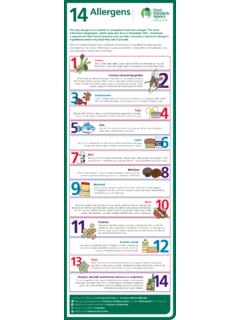
Eggs 5 - food.gov.uk
www.food.gov.ukingredients used in any food they sell or provide. There are 14 major allergens which need to be mentioned (either on a label or through provided information such as menus) when they are used as ingredients in a food.
ROF Assurance Framework and National Inspection Strategies
www.food.gov.ukof the Regulating Our Future (ROF) Programme and describes the impact for the FSA of introducing new assurance frameworks into the delivery model and the opportunity this presents to align activities.
Chapter 13 Microbiological Criteria - food.gov.uk
www.food.gov.ukMeat Industry Guide Page 2 | Chapter 13 – Microbiological Criteria September 2017 13. Introduction The aim of the hygiene legislation is to ensure that food is produced safely.
Chapter 13 Microbiological Criteria - food.gov.uk
www.food.gov.ukThe Microbiological Criteria Regulation 2073/2005 establishes microbiological criteria for certain micro-organisms and provides rules to be complied with by food business operators when implementing the general and specific hygiene measures referred to in Article 4 of Regulation
Food Information Regulations 2014: Summary guidance for ...
www.food.gov.ukFood Information Regulations 2014: Summary guidance for food business operators and enforcement officers in Scotland, Wales and Northern Ireland.
Recording Forms & Additional Resources
www.food.gov.ukRECORDING FORMS & ADDITIONAL RESOURCES / 5 . ISSUE 7 $35,/ 2019. SC4 – Hot Hold/Display Records (For food to be held hot for more than 2 hours) SIGNED CTION OMMENTS/A C ORE TEMP* er 6 hrs. C. aft on display . ORE . s. C TEMP* after 4 hr on display . ORE . s. C TEMP* after 2 hr on display . O TIME INT HOT HOLD FOOD TE DA. NOTE: *Keep …
Advice to businesses selling food online (final)
www.food.gov.ukAdvice to businesses selling food online 1 December 2016 Advice to businesses selling food online This factsheet aims to help businesses who sell food online understand their obligations under food law – including the need to register as a food business . Registering as a food business . If you are selling food online it is a legal requirement to
Related documents

Cooking Requirements for Specific Types of Food
elearning.servsafe.com• Roasts may be cooked to these alternate cooking times and temperatures depending on the type of roast and oven used: 130°F (54°C) 131°F (55°C) 133°F (56°C) 135°F (57°C) 136°F (58°C) 138°F (59°C) 140°F (60°C) 142°F (61°C) 144°F (62°C) 112 minutes 89 minutes 56 minutes 36 minutes 28 minutes 18 minutes 12 minutes 8 minutes 5 ...

Alberta Food Safety Basics Booklet
www.albertahealthservices.caCook food to safe temperatures. 10 Bacteria Bacteria are found everywhere in our environment. Although most bacteria are harmless or even beneficial, some are harmful and can cause foodborne illness. Harmful bacteria are called path-ogens. These pathogens are commonly found in human and animal waste, in soil, and on raw meat,
THE FOODSERVICE INDUSTRY™S GUIDE TO COOK-CHILL
www.graphic-products.infoCook/chill is a simple, controlled system of food preparation designed to provide more flexibility in food service. The technique involves the full cooking of food, followed by rapid chilling and storage at controlled temperatures (for up to five
Chemistry
usscouts.orgCompare and discuss the toxicity, disposal, and safe-handling sections for these two common household products. Toxicity: Disposal: Safe handling: d. Discuss the safe storage of chemicals. ... different temperatures. ... Cook the second portion of onion chunks until the pieces are translucent. Cook the third portion until the onions are ...

Smoking Times & Temperatures Chart
www.smoking-meat.comCook Time: 1 hr. Safe Finished Meat Temperature: 145°F. 63°C. Chef Recommended Finish Temperature: 135°F. 57°C. Notes: Cook at 160 degrees for cool smoked salmon. Cool . smoked salmon with citrus, Filet mignon of salmon, Salmon on a stick, salmon candy, Maple glazed salmon. Tilapia Filets Smoker Temperature: 220°F. 104°C. Cook Time: 1 hr ...
Five keys to safer food Prevention of Keep clean Foodborne ...
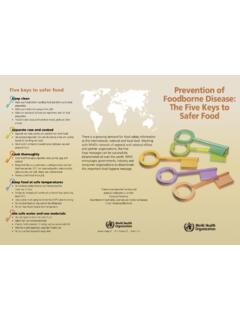
www.who.intCook thoroughly • Cook food thoroughly, especially meat, poultry, eggs and seafood • Bring foods like soups and stews to boiling to make sure that they have reached 70°C. For meat and poultry, make sure that juices are clear, not pink. Ideally, use a thermometer • Reheat cooked food thoroughly Keep food at safe temperatures