Coping with a Traumatic Event
• Symptoms of re-living include flashbacks, nightmares, and extreme emotional and physical reactions to reminders of the event. Emotional reactions can include feeling guilty, extreme fear of harm, and numbing of emotions. Physical reactions can include uncontrollable shaking, chills or heart palpitations, and tension headaches.
Download Coping with a Traumatic Event

Information
Domain:
Source:
Link to this page:
Documents from same domain
School Chemistry Laboratory Safety Guide
www.cdc.govSchool Chemistry Laboratory Safety Guide. October 2006. U.S. Consumer Safety Product Commission DEPARTMENT OF HEALTH AND HUMAN SERVICES. Centers for Disease Control and Prevention
Biosafety in Microbiological and Biomedical …
www.cdc.goviii. Foreword. Biosafety in Microbiological and Biomedical Laboratories (BMBL) quickly became the cornerstone of biosafety practice and policy in the United States upon first
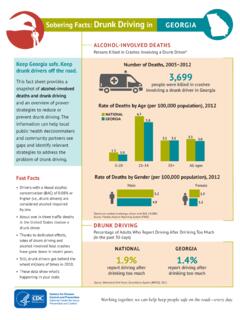
Sobering Facts: Drunk Driving in Georgia
www.cdc.govSobering Facts: Drunk Driving in GEORGIA Keep Georgia safe. Keep drunk drivers off the road. This fact sheet provides a snapshot of alcohol-involved deaths and drunk driving
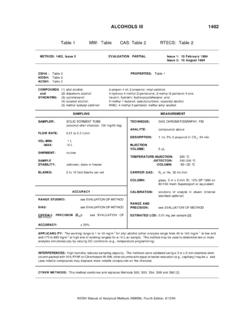
ALCOHOLS III 1402
www.cdc.govALCOHOLS III: METHOD 1402, Issue 2, dated 15 August 1994 - Page 3 of 4 a. Remove and discard back sorbent section of a media blank sampler. b. Inject a known amount of analyte or DE stock solution directly onto front sorbent section
Fast Facts
www.cdc.govAny person working outdoors is at risk of exposure to poisonous plants, such as poison ivy, poison oak, and poison sumac. When in contact with skin, the sap oil (urushiol) of
Trans Fat: The Facts
www.cdc.gov• Read the Nutrition Facts label and ingredient list to compare foods. » Choose products with 0 grams trans fat. » Check the Ingredient List to see if there is any partially hydrogenated oil in the product.

ANTIBIOTIC RESISTANCE THREATS
www.cdc.govApr 23, 2013 · 6. ANTIBIOTIC RESISTANCE THREATS IN THE UNITED STATES, 2013. Executive Summary. Antibiotic Resistance Threats in the United States, 2013. is a snapshot of the complex problem
Chlorine Residual Testing
www.cdc.govChlorine Residual Testing Fact Sheet, CDC SWS Project 4 Methods to Test Free Chlorine in the Field in Developing Countries There are three main methods to test free chlorine residual in drinking water in the field
2018 Combined Recommended Immunization …
www.cdc.govRecommended Immunization Schedule for Children and Adolescents Aged 18 Years or Younger, UNITED STATES, 2018 Approved by the Advisory Committee on …
Traveling? Make Sure You Protect Yourself from …
www.cdc.govCS26201 Malaria transmission occurs throughout Malaria transmission occurs in some parts Malaria transmission is not known to occur Center for Global Health
Related documents

After Sexual Assault
hpri.fullerton.eduNightmares Involuntary shaking Sexual dysfunction Feeling dirty Anxiety Shock/numbness Embarrassment Feeling of loss of control over one’s life Relief Fear Grief Depression Loss of trust Anger Irritability Suicidal thoughts Denial Preoccupation with safety …

Trauma Checklist (Youth and Child)
depts.washington.edu__2. Having bad dreams or nightmares. __3. Acting or feeling as if the event was happening again. __4. Feeling upset when you think about or hear about the event. __5. Having feelings in your body when you think about or hear about the event. (Heart beating fast, upset stomach, breaking out in a sweat) __6.
Posttraumatic Stress Disorder Fact Sheet
www.ssa.govhave nightmares, exhibit increased irritability or aggressiveness, or have difficulty with schoolwork or peers. 5 . How soon after the traumatic event do the symptoms appear? Symptoms usually begin within three months of a traumatic event, but …
Traumatic Stress and Substance Abuse Problems
istss.orgfalling or staying asleep, traumatic nightmares, and constantly being “wound up.” Using substances as a way to self-medicate may help with one problem but worsen another. For example, substance abuse may temporarily decrease the severity and the number of frightening nightmares but may also increase irritability and hypervigilance.
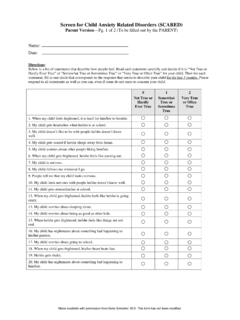
Screen for Child Anxiety Related Disorders (SCARED) …
www.aacap.org16. My child has nightmares about something bad happening to his/her parents. 17. My child worries about going to school. 18. When my child gets frightened, his/her heart beats fast. 19. He/she gets shaky. 20. My child has nightmares about something bad happening to him/her. Made available with permission from Boris Birmaher, M.D.

International GCSE (9-1) English Literature Paper 1 ...
qualifications.pearson.combeing hell and giving the war photographer nightmares as only he can take pictures but not be able to do anything to help them. Nevertheless ‘a half-formed ghost’ creates an image of the person developing the photos and the half-formed ghost is that of a person’s remembrance trapped in a photo and the phrase only ‘half-formed’

EMOTION REGULATION HANDOUT 20A Nightmare Protocol, …
depts.washington.eduWhen Nightmares Keep You from Sleeping 1. Practice relaxation, pleasant imagery, and coping skills first, to be sure you are ready to work on changing your nightmares. Do progressive relaxation, paced breathing, and/or Wise Mind exercises; listen to music or guided imagery; review the distress tolerance crisis survival skills. 2.