Example: tourism industry
Duelo - UNICEF
sus propias causas y criterios diagnósticos. El duelo, es una reacción normal y adaptativa ante la pérdida de algo o alguien significativo. · MITO 3 Dentro de los diferentes tipos de muerte, hay unas que son peores que otras. El duelo no es una competición de méritos para ver quién ha tenido la peor desgracia y quién está sufriendo más.
Tags:
Information
Domain:
Source:
Link to this page:
Documents from same domain
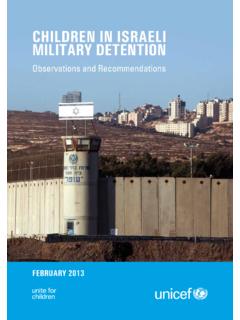
Children in israeli Military detention - Home page | …
www.unicef.org2 B. Introduction and framework for analysis International law requires that all children in contact with judicial systems be treated with dignity and respect at all times.
WOMEN’S AND CHILDREN’S RIGHTS IN A - UNICEF
www.unicef.orgwomen’s and children’s rights in a human rights based approach to development savitri goonesekere rangita de silva-de alwis division of policy and

Implementation Handbook For The Convention On …
www.unicef.orgIMPLEMENTATION HANDBOOK FOR THE CONVENTION ON THE RIGHTS OF THE CHILD Since its adoption, in 1989, the Convention on the Rights of the Child has achieved almost universal ratification.
FACT SHEET: A summary of the rights under the …
www.unicef.orgFACT SHEET: A summary of the rights under the Convention on the Rights of the Child Article 1 (Definition of the child): The Convention defines a 'child' as a person below the age of 18,
The African Charter on the Rights and Welfare of …
www.unicef.orgThe African Charter on the Rights and Welfare of the Child PART 1: RIGHTS AND DUTIES ----- CHAPTER ONE: RIGHTS AND WELFARE OF THE CHILD
DECLARATION OF THE RIGHTS OF THE CHILD
www.unicef.org- 164 - ' 2003 Steven T. Walther All rights reserved. DECLARATION OF THE RIGHTS OF THE CHILD [Proclaimed by General Assembly …
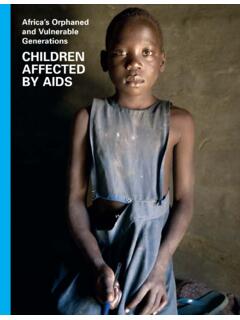
Africa’s Orphaned and Vulnerable Generations …
www.unicef.org(ages 0–3) is at stake when their moth-ers are dying or have recently died. This is true whether the mother dies of AIDS or other causes. Children of this
HRBDP Urban Jonsson April 2003 - Home page | …
www.unicef.org7 concluding that development is not exclusively tied either to economic growth or human development, but rather to both. One is not a simple function of the other; instead, economic growth and human
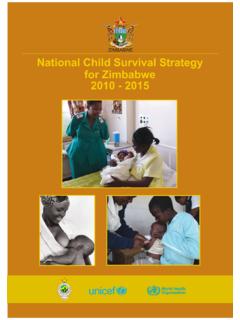
˘ˇˆˇ˙˘ˇˆ˝ - UNICEF
www.unicef.org‐ iii ‐ To establish and sustain partnerships at all levels to support implementation of the child survival strategy.....46
OTHER MODULES IN THIS COMPANION SERIES: …
www.unicef.org1 SCOOL EADNESS AND TANSTONS This module was written by Pia Rebello Britto, Ph.D., Associate Research Scientist at Yale University, and Maria Cristina Limlingan, M.S. Ed., of Loyola University in Chicago.
Related documents

u2Erik Erikson y las ocho etapas del desarrollo
files.uladech.edu.pedetenerse a pensar en las etapas que restan y cómo han pasado las anteriores para vivir mejor las futuras. Como padres es necesario reflexionar en la propia vida, así como ofrecerles a los hijos la mejor posible para que sus etapas transcurran con un aprendizaje valioso, apoyo, cariño, contención y satisfacción de sus demandas.
La infancia desde la perspectiva del psicoanálisis: un ...
pepsic.bvsalud.orgpsicoanálisis clásico y de los vínculos objetales, tanto en sus componentes clínicos sanos y en las neurosis. El estudio de las etapas de maduración afectiva tiene, pues una gran importancia. Permite conocer las dificultades y problemas que le niño debe resolver en …
Revista Lasallista de Investigación
redalyc.orgetapas estructuralmente organizadas y conforme a sus disposiciones y capacidades internas; y la sociedad interactúa en la formación de la personalidad en cuanto a los aspectos de las relaciones sociales significativas, así como en los principios relacionados de orden social y en las ritualizaciones vinculantes o desvinculantes. Estadío ...

Etapas del desarrollo del habla y el lenguaje
www.nidcd.nih.govuna lista de las etapas del desarrollo normal de las habilidades . del habla y el lenguaje en los niños, desde recién nacidos hasta los 5 años de edad. Estas etapas ayudan a los médicos y a otros profesionales de la salud a determinar si el niño está siguiendo el desarrollo normal o si necesita ayuda. A veces,
María - Biblioteca
biblioteca.org.arnuestro, y sus amos completamos la oración. La conversación se hizo entonces confidencial entre mis padres y yo. María tomó en brazos el niño que dormía en su regazo, y mis hermanas la siguieron a los aposentos: ellas la amaban mucho y se disputaban su dulce afecto.
Estándares Básicos de Competencias Ciudadanas Formar …
www.mineducacion.gov.coniños y niñas colombianas y, además, les brindamos educación de calidad a cada uno de ellos, estaremos no sólo alejándolos de la pobreza sino tam-bién dándoles la oportunidad de vivir y construir un país en paz. Por ello, el Gobierno Nacional ha definido que la primera de sus herramientas de equi-dad social es la Revolución Educativa.

Redalyc.Contribución sobre los paradigmas de investigación
www.redalyc.orgy podemos citar entre sus representantes otros autores como Durkheim, Mill, Popper, etc. El paradigma positivista se adoptó como modelo de investigación en las Ciencias Físicas y Naturales, se aplicó al campo social y más tarde al educativo. Usher y Bryant (1992) lo caracterizan como el paradigma de las