Transcription of GENERIC CORE MANAGEMENT CRITERIA (CMC) …
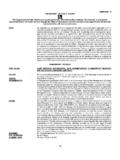
1 ANNEXURE E. GENERIC core MANAGEMENT CRITERIA (CMC) and standards . CRITERIA Description GENERIC standards for Fully Effective Performance 1. Strategic Provides a vision, sets the Gives direction to team in realising the organisation's strategic objectives;. Capability direction for the Impacts positively on team morale, sense of belonging and participation;. and organisation and/or unit Develops detailed action plans to execute strategic initiatives;. Leadership and inspires others to Assists in defining performance measures to evaluate the success of strategies;. deliver on the Achieves strategic objectives against specified performance measures;. organisational mandate Translates strategies into action plans.
2 Secures co-operation from colleagues and team members;. Seeks mutual benefit/win-win outcomes for all concerned;. Supports stakeholders in achieving their goals;. Inspires staff with own behaviour walks the talk ;. Manages and calculates risks;. Communicates strategic plan to the organisation; and Utilises strategic planning methods and tools. 2. Programme Plans, manages, monitors Establishes broad stakeholder involvement and communicates the project status and and Project and evaluates specific key milestones;. MANAGEMENT activities in order to deliver Defines roles and responsibilities for project team members and clearly communicates the desired outputs and expectations.
3 Outcomes. Balances quality of work with deadlines and budget;. Identifies and manages risks to the project by assessing potential risks and building contingencies into project plan;. Uses computer software programmes to help manage project; and Sets and manages service level agreements with contractors. 3. Financial Compiles and manages Demonstrates knowledge of general concepts of financial planning, budgeting and MANAGEMENT budgets, controls cash forecasting and how they interrelate;. flow, institutes risk Manages and monitors financial risk;. MANAGEMENT and Continuously looks for new opportunities to obtain and save funds;. administers tender Prepares financial reports and guidelines based on prescribed format.
4 SMS Handbook chapter 4 Performance MANAGEMENT and Development Annexure E 01/04/2006. 2. CRITERIA Description GENERIC standards for Fully Effective Performance procurement processes in Understands and weighs up financial implications of propositions;. accordance with generally Understands, analyses and monitors financial reports;. recognised financial Allocates resources to established goals and objectives;. practices in order to ensure Aligns expenditure to cash flow projections;. the achievement of Ensures effective utilisation of financial resources;. strategic organisational Develops corrective measures/actions to ensure alignment of budget to financial objectives.
5 Resources; and Prepares own budget in line with the strategic objectives of the organisation. 4. Change Initiates, supports and Performs analysis to determine the impact of changes in the social, political and MANAGEMENT champions organisational economic environment;. transformation and change Keeps self and others calm and focused during times of change or ambiguity;. in order to successfully Initiates, supports and encourages new ideas;. implement new initiatives Volunteers to lead change efforts outside of own work team;. and deliver on service delivery commitments Consults and persuades all the relevant stakeholders of the need for change;. Inspires and builds commitment within own area for the change by explaining the benefits of change, and the process of implementing the change.
6 Coaches colleagues on how to manage change;. Proactively seeks new opportunities for change;. Identifies and assists in resolving resistance to change with stakeholders;. Designs specific projects to enable change that are aligned to the organisational objectives; and Uses the political, legislative and regulatory processes of the Public Service to drive and implement change efforts. 5. Knowledge Obtains, analyses and Uses appropriate information systems to manage organisational knowledge;. MANAGEMENT promotes the generation Uses modern technology to stay abreast of world trends and information;. and sharing of knowledge Evaluates information from multiple sources and uses information to influence and learning in order to decisions.
7 Enhance the collective Creates mechanisms and structures for sharing of knowledge in the organisation;. knowledge of the Uses libraries, researchers, knowledge specialists and other knowledge bases organisation. appropriately to improve organisational efficiency;. SMS Handbook chapter 4 Performance MANAGEMENT and Development Annexure E 01/04/2006. 3. CRITERIA Description GENERIC standards for Fully Effective Performance Promotes the importance of knowledge sharing within own area;. Adapts and integrates information from multiple sources to create innovative knowledge MANAGEMENT solutions; and Nurtures a knowledge-enabling environment. 6. Service Champions new ways of Consults clients and stakeholders on ways to improve the delivery of services.
8 Delivery delivering services that Communicates the benefits of service delivery improvement opportunities to Innovation contribute to the stakeholders;. improvement of Identifies internal process improvement opportunities to SDI;. organisational processes in Demonstrates full knowledge of principles on service delivery innovations;. order to achieve Identifies and analyses opportunities where innovative ideas can lead to improved organisational goals. service delivery;. Creates mechanisms to encourage innovation and creativity within functional area and across the organisation; and Implements innovative service delivery options in own department/organisation.
9 7. Problem Systematically identifies, Explains potential impact of problems to own working environment;. Solving and analyses and resolves Demonstrates logical problem solving approach and provides rationale for proposed Analysis existing and anticipated solutions;. problems in order to reach Determines root causes of problems and evaluates whether solutions address root optimum solutions in a causes;. timely manner. Demonstrates objectivity, thoroughness, insight fullness, and probing behaviours when approaching problems; and Demonstrates the ability to break down complex problems into manageable parts and identify solutions. 8. People Manages and encourages Seeks opportunities to increase personal contribution and level of responsibility.
10 MANAGEMENT people, optimises their Supports and respects the individuality of others and recognises the benefits of and outputs and effectively diversity of ideas and approaches;. Empower- manages relationships in Delegates and empowers others to increase contribution and level of responsibility;. ment order to achieve Applies labour and employment legislation and regulations consistently;. organisational goals. Facilitates team goal setting and problem solving;. SMS Handbook chapter 4 Performance MANAGEMENT and Development Annexure E 01/04/2006. 4. CRITERIA Description GENERIC standards for Fully Effective Performance Recognises individuals and teams and provides developmental feedback in accordance with performance MANAGEMENT principles.