Transcription of HLTAAP002 Confirm physical health status Release 1
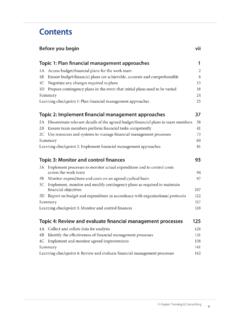
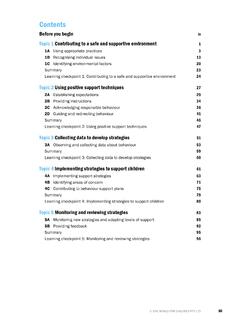
1 ASPIRE TRAINING & CONSULTING vContentsBefore you begin viiTopic 1 Obtain information about physical health status 11A Obtain accurate information about physical health status 21B Work with a detailed understanding of the structure and functioning of body systems 81C Use information to identify any actual or potential problems regarding health status 391D Take into account factors that may have impacted on an identified physical condition 42 Summary 51 Learning checkpoint 1: Obtain information about physical health status 52 Topic 2 Check physical health status 592A Make checks of client health status before delivery of health intervention 602B Clarify significance of physical health status in relation to a particular intervention 682C Consult appropriate people 73 Summary 77 Learning checkpoint 2.
2 Check physical health status 78 Topic 3 Identify variations from normal physical health status 833A Identify signs and symptoms of variations from normal health status 843B Identify potential factors responsible for significant variations from normal health status 953C Identify potential risk factors associated with variations from normal health status 1013D Recognise and refer potentially serious issues in line with organisation requirements 111 Summary 115 Learning checkpoint 3: Identify variations from normal physical health status 1164 HLTAAP002 Confirm physical health status There is assistance available if a person speaks a language other than English.
3 Interpreting and translating services can be accessed, such as those offered by the Government s Translating and Interpreting Service (TIS National).Adjust your style of communicationIf a person with care needs is hearing impaired, you may need to rely on an interpreter, depending on the severity of the impairment. You can use gestures and body language, such as pointing to the site of discomfort. You can also use pictures and simple diagrams, but make sure the person can see your face they may be relying on facial gestures and lip-readingto understand what you are may work with people who have intellectual disabilities, which can also affect your style of communication.
4 Use clear verbal and body language, and assistance from another person (possibly a family member), so the communication between you and the person is unambiguous. Details about how to communicate with the person should be included in their care plan, if applicable. Re view of documentationAccessing the person s past medical and health history records may provide some valuable information to assist you in obtaining accurate information about their health status . Check with your supervisor about the access you have to this material.
5 A medical or health history includes information of any previous disease or illness. When a person is assessed for care a medical history is recorded, which includes a description of any previous disease or illness. This information may be obtained through a questionnaire or interview the dates on the document to see when the recording was completed. It is important to read the details of past illness and disease, as there may be a relationship between a past experience of illness and a present condition. Medications that the person has taken, or is currently taking, will be included in the medical history as well as any allergies.
6 The information provided in these documents provides accurate details on the health status of the person at the time of the assessment. Clarifying the person s medical and health history is a very important step to take before any intervention is undertaken or a service and health history may include the following:XXHistory of a presenting problemXXHistory of actual or potential problems associated with activities of daily livingXXA person s concerns and beliefs regarding their problemXXPast health historyXXMedications taken or currently being takenXXAllergiesXXFamily circumstancesXXBasic dietary information ASPIRE TRAINING & CONSULTING10 ASPIRE TRAINING & CONSULTINGHLTAAP002 Confirm physical health status BloodBlood is made up of plasma, red and white blood cells.
7 Plasma is a watery substance that carries blood cells, food, chemicals, hormones and waste products throughout the blood cells (erythrocytes) assist in the transportation of oxygen throughout the body. White blood cells (leukocytes) protect the body against are also found in the blood and assist in the clotting vesselsBlood is carried from the heart and through the body by blood vessels, which include arteries, veins and capillaries. Arteries carry blood away from the heart. From the aorta, the arteries branch into smaller channels throughout the body, the smallest of which is an the arterioles, blood travels into capillaries; tiny channels that carry blood to the cells and tissue.
8 Veins then carry the blood back towards the heart, via the smallest veins (venules), which are connected to capillaries. Branches of venules form veins that travel back to the heart. The inferior vena cava and the superior vena cava are the two main veins that empty deoxygenated blood back into the right atrium of the cardiovascular problemsSome common problems associated with the cardiovascular system are outlined and angina pectoris Angina may indicate the presence of coronary artery disease. The discomfort of angina is caused by an insufficient flow of blood to the arrestCardiac arrest occurs when the heart stops beating, causing failure of blood circulation, which restricts oxygen delivery to the rest of the body.
9 Brain damage can result if not treated immediately. Cardiac arrest is best prevented by healthy lifestyle choices, but if it occurs, it must be treated immediately; for example, performing cardiopulmonary resuscitation (CPR) in combination with using a cardiac failure (CCf)Congestive cardiac failure (CCF) is a common heart problem where the pumping of the heart cannot meet the needs of the body. CCF is caused by many diseases and its course varies depending on the individual and their circumstances. CCF causes fatigue, difficulty breathing, difficulty exercising and swelling.
10 CCF can be treated with medication, by altering lifestyle choices or by a heart refers to the condition where a person s heart is not working efficiently and effectively. The signs and symptoms of cardiomyopathy vary depending on the severity of the Confirm physical health status gallstonesGallstones are hard deposits in the gallbladder that vary in size. Gallstones can be either cholesterol or bilirubin, which is formed when blood cells are destroyed. Ageing, being a woman, family history of gallstones, diabetes, bone marrow transplants and rapid weight loss can contribute to the risk of developing gallstones.