Transcription of MARKETING
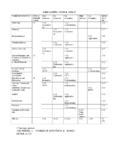
1 MARKETING . CLASS XII. Study Material INDEX. Unit 1 Product Unit 2 Price Decision Unit 3 Place Decision: Channels of Distribution Unit 4 Promotion Unit 5 Emerging Trends in MARKETING UNIT I: PRODUCT. Unit Code: UNIT TITLE: PRODUCT. Duration: Location: SESSION1: MEANING AND IMPORTANCE OF PRODUCT. Classroom Learning Outcome Knowledge Evaluation Performance Teaching and or Retail Evaluation Training Method outlet or 1. Meaning, of product meaning Interactive Lecture: Company s importance of of of Product in Introduction of four premises Product in Product MARKETING P s of MARKETING MARKETING understand the mix with special Product components of focus on Product.
2 Of Product Product. Discussion of the to a firm various Levels Information components and regarding importance importance of the associated with the Product product, along with the the various product various levels of levels. product Activity: Enlist the product levels of goods in the consumer products and services. SESSION 2: PRODUCT CLASSIFICATION. Knowledge of types 1. Discussion of the 1. Detail the Interactive Lecture: of consumer goods consumer goods their classification of Explanation of the and industrial goods types and features. consumer goods types of consumer 2. Comprehension of along with their and industrial types of industrial goods features.
3 Goods. and their features. 3. Understand Product 2. Explain various Activity: Mix, Product line Types of industrial Identify and enlist goods and their different types of features. goods- consumer and industrial. 3. Comprehend the concept of Product Mix, Product line. SESSION 3: PRODUCT LIFE CYCLE. 1. Discussion of 1. Enumerate different the Interactive Lecture: Product Life stages of the product life various stages in a Clarification on the Cycle cycle. product life cycle product life cycle stages A. Introduction the Activity:Prepare a Stage response of list of products and B. Growth Stage marketers in these observe how they C.
4 Maturity Stage stages. have moved D. Decline Stage through different stages of product life cycle. SESSION 4: PACKAGING AND LABELLING. Understanding the 1. Discussion of the 1. Detail the Detailing the concept role, importance of packaging concept and concept of of packaing, role, packaging and its role in MARKETING . packaging along importance, labeling 2. Comprehension of with the various functions and importance and roles it plays in types. In addition functions of Packing. MARKETING . understanding the 3. Understand the concept of labeling. essential qualities of 2. Explain the good packaging and its importance of types packaging and the 4.
5 Discussion of concept functions of of Labeling. packaging. 3. Comprehend the important features of good packaging and the types of packaging. 4. Detail the concept of labeling in the current context. (Note: The location would depend upon the topic under discussion, wherein it will be the classroom for the theoretical interactions and the student will be required to visit field/retail outlet or the MARKETING department of an organization to observe and comprehend the concepts related to pricing of goods and services.). SESSION1: MEANING AND IMPORTANCE OF PRODUCT. The term Product is mostly used as a need-satisfying entity.
6 It represents solution to customers, problems. In the words of Peter Drucker, the product remains mere raw material or at the best an intermediate till it is not bought or consumed. Hence mostly they comprise of both tangible and intangible benefits. It may be anything that can be offered to a market to satisfy a want or need and include physical goods, services, experiences, events, places, properties, organization, information and ideas. In most of the cases products are made up a combination of physical elements and series. It is observed that consumers buy products or services that they require to fulfill their needs.
7 The products could range from tooth brush, chocolates, cars, movie tickets to life insurance at various stages of our life. The decision to make a purchase is hence dependent not only on the tangible attributes of the product but also on the psychological attributes like brand, package, warranty, image or service to name a few. According to Philip Kotler, Product is anything that can be offered to someone to satisfy a need or a want . William Stanton, Product is a complex of tangible and intangible attributes, including packaging, colour, price, prestige and services that satisfy needs and wants of people.
8 It is defined as a good or service that most closely meets the requirements of a particular market and yields enough profit to justify its continued existence COMPONENTS OF A PRODUCT. Products have their own identity or a personality. Most of the users associate meaning with products, they obtain satisfaction by using them. The various features and functions built around them-the brand name, the package and labeling, the quality associated with it, the guarantees, the price, the manufacturer s name and prestige-all contribute to the personality or the total product offering, a marketers armory for satisfying the customer.
9 It has been often stated that a customer never just purchases the generic product but he procures something that exceeds his expectation depending on for whom it is being bought. The components of the product include core product, associated features, brand name, logo, package and label. The Core Product It is the basic element of the product. For example if we take Dove Soap, the fragrance of the soap, the moisturizing ability, the pristine white colour, the brand name, the price, the positioning as luxury soap all have gone into the MARKETING of product personality. The core component is the soap, the generic constituent, as in the case of any other bathing soap, the only difference being the other components are superimposed on this basic component to develop the total personality of Dove.
10 It is observed that the total product personality is dependent on basic constituent of the product. If the product is substandard the other elements associated like features, package, label, differentiation, positioning, branding will not be of any use. Hence focus on the core product is essential. The Associated Features The Product includes several associated features besides the core ingredient. In the example of Dove soap the fragrance of the soap, the moisturizing ability, the pristine white colour etc are its associated features. The total product personality is mostly enhanced through the associated features.