Transcription of SAFETY DATA SHEET - Citgo
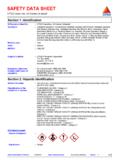
1 Citgo No. 2 diesel fuel , All Grades, Low SulfurNo. 2-D Grade diesel fuel Oil (defined by ASTM D-975); Treated or Refined diesel fuel No. 2; Grade 2 Distillate fuel ; Hydrodesulfurized Middle Distillate; C9-C16 Petroleum HydrocarbonsTechnical Contact: (800) 248-4684 Medical Emergency: (832) 486-4700 CHEMTREC Emergency: (800) 424-9300(United States Only) SAFETY data SHEETGHS product identifierSynonymsEmergency telephone number (with hours of operation)Section 1. Identification:::Chemical name:Fuels, diesel , No 2 Supplier's details: Citgo Petroleum Box 4689 Houston, TX 77210 Citgo No. 2 diesel fuel , All Grades, Low 2. Hazards identificationFLAMMABLE LIQUIDS - Category 3 ACUTE TOXICITY (inhalation) - Category 4 SKIN IRRITATION - Category 2 EYE IRRITATION - Category 2 BCARCINOGENICITY - Category 2 SPECIFIC TARGET ORGAN TOXICITY (REPEATED EXPOSURE) (central nervous system (CNS)) - Category 2 ASPIRATION HAZARD - Category 1 AQUATIC HAZARD (LONG-TERM) - Category 2 Classification of the substance or mixture:Signal word:DangerHazard statements:Flammable liquid and if skin and eye of causing be fatal if swallowed and enters cause damage to organs through prolonged or repeated exposure.
2 (central nervous system (CNS))Toxic to aquatic life with long lasting pictograms:Precautionary statementsGHS label elementsGeneral: diesel engine exhaust can cause upper respiratory tract irritation and reversible pulmonary effects. Long-term exposure to diesel engine exhaust may cause not syphon by status:This material is considered hazardous by the OSHA Hazard Communication Standard (29 CFR ).Date of issue/Date of revision:7/31/2018 Date of previous issue:4/16/2018 Version:41/17 Citgo No. 2 diesel fuel , All Grades, Low SulfurSection 2. Hazards identificationPrevention:Obtain special instructions before use. Do not handle until all SAFETY precautions have been read and understood. Wear protective gloves. Wear eye or face protective clothing. Keep away from heat, hot surfaces, sparks, open flames and other ignition sources. No smoking. Use explosion-proof electrical, ventilating, lighting and all material -handling equipment. Use only non-sparking tools. Take precautionary measures against static discharge.
3 Keep container tightly closed. Use only outdoors or in a well-ventilated area. Avoid release to the environment. Do not breathe hands thoroughly after :Collect spillage. Get medical attention if you feel unwell. IF exposed or concerned: Get medical attention. IF INHALED: Remove person to fresh air and keep comfortable for breathing. Call a POISON CENTER or physician if you feel unwell. IF SWALLOWED:Immediately call a POISON CENTER or physician. Do NOT induce vomiting. IF ON SKIN (or hair): Take off immediately all contaminated clothing. Rinse skin with water or shower. IF ON SKIN: Wash with plenty of soap and water. Take off contaminated clothing and wash it before reuse. If skin irritation occurs: Get medical attention. IF IN EYES: Rinse cautiously with water for several minutes. Remove contact lenses, if present and easy to do. Continue rinsing. If eye irritation persists: Get medical :Store locked up. Store in a well-ventilated place. Keep :Dispose of contents and container in accordance with all local, regional, national and international label elements:Eliminate sources of ignition.
4 Avoid spark promoters. Ground/bond container and receiving equipment. These alone may be insufficient to remove static electricity. Do not taste or swallow. Wash thoroughly after not otherwise classified:Static accumulating flammable liquid can become electrostatically charged even in bonded and grounded equipment. Sparks may ignite liquid and vapor may cause flash fire or explosion. Causes digestive tract burns. Prolonged or repeated contact may dry skin and cause 3. Composition/information on ingredientsIngredient nameCAS number%There are no additional ingredients present which, within the current knowledge of the supplier and in the concentrations applicable, are classified as hazardous to health or the environment and hence require reporting in this name:Fuels, diesel , No 2 Other means of identification:No. 2-D Grade diesel fuel Oil (defined by ASTM D-975); Treated or Refined diesel fuel No. 2; Grade 2 Distillate fuel ; Hydrodesulfurized Middle Distillate; C9-C16 Petroleum HydrocarbonsCAS number:68476-34-6 Substance/mixtureCAS number/other identifiers:Occupational exposure limits, if available, are listed in Section concentration shown as a range is to protect confidentiality or is due to process , trimethyl-1 - - - - - - * = Various ** = Mixture ** = ProprietaryDate of issue/Date of revision:7/31/2018 Date of previous issue:4/16/2018 Version:42/17 Citgo No.
5 2 diesel fuel , All Grades, Low SulfurGet medical attention immediately. Call a poison center or physician. Wash out mouth with water. Remove dentures if any. Remove victim to fresh air and keep at rest in a position comfortable for breathing. Aspiration hazard if swallowed. Can enter lungs and cause damage. Do not induce vomiting. If vomiting occurs, the head should be kept low so that vomit does not enter the lungs. Never give anything by mouth to an unconscious person. If unconscious, place in recovery position and get medical attention immediately. Maintain an open airway. Loosen tight clothing such as a collar,tie, belt or flush eyes with plenty of water, occasionally lifting the upper and lower eyelids. Check for and remove any contact lenses. Continue to rinse for at least 10 minutes. Get medical skin thoroughly with soap and water or use recognized skin cleanser. Remove contaminated clothing and shoes. Continue to rinse for at least 10 minutes.
6 Get medical attention. Wash clothing before reuse. Clean shoes thoroughly before victim to fresh air and keep at rest in a position comfortable for breathing. If it is suspected that fumes are still present, the rescuer should wear an appropriate mask or self-contained breathing apparatus. If not breathing, if breathing is irregular or if respiratory arrest occurs, provide artificial respiration or oxygen by trained personnel. It may be dangerous to the person providing aid to give mouth-to-mouth medical attention. If necessary, call a poison center or physician. If unconscious,place in recovery position and get medical attention immediately. Maintain an open airway. Loosen tight clothing such as a collar, tie, belt or 4. First aid measuresEye contactSkin contactInhalationIngestion::::Notes to physician:If ingested, this material presents a significant aspiration and chemical pneumonitis hazard. Induction of emesis is not recommended. Consider activated charcoal and/or gastric lavage.
7 If patient is obtunded, protect the airway by cuffed endotracheal intubation or by placement of the body in a Trendelenburg and left lateral decubitus of necessary first aid measuresSpecific treatments:Treat symptomatically and important symptoms/effects, acute and delayedInhalation:Harmful if to the digestive tract. Causes burns. May be fatal if swallowed and enters airways.:IngestionSkin contact:Causes skin irritation. Defatting to the eye irritation.:Eye contactOver-exposure signs/symptomsSkin contactIngestionInhalationRepeated or prolonged overexposure to solvents can cause brain or other nervous system damage. The symptoms can include the loss of memory, the loss of intellectual capacity and the loss of symptoms may include the following:stomach painsnausea or vomitingAdverse symptoms may include the following:irritationrednessdrynesscracki ng:::Eye contact:Adverse symptoms may include the following:pain or irritationwateringrednessPotential acute health effectsIndication of immediate medical attention and special treatment needed, if necessaryDate of issue/Date of revision:7/31/2018 Date of previous issue:4/16/2018 Version:43/17 Citgo No.
8 2 diesel fuel , All Grades, Low SulfurSection 4. First aid measuresProtection of first-aiders:No action shall be taken involving any personal risk or without suitable training. If it is suspected that gas or vapor is still present, the rescuer should wear an appropriate mask or self-contained breathing apparatus. It may be dangerous to the person providing aid to give mouth-to-mouth toxicological information (Section 11)Section 5. Fire-fighting measuresPromptly isolate the scene by removing all persons from the vicinity of the incident if there is a fire. No action shall be taken involving any personal risk or without suitable training. Move containers from fire area if this can be done without risk. Use water spray to keep fire-exposed containers thermal decomposition productsSpecific hazards arising from the chemicalDecomposition products may include the following materials:carbon dioxidecarbon monoxideDiesel engine exhaustFlammable liquid and vapor. Runoff to sewer may create fire or explosion hazard.
9 This product is a poor conductor of electricity and can become electrostatically charged. If sufficient charge is accumulated, ignition of flammable mixtures can occur. To reduce potential for static discharge, use proper bonding and grounding procedures. This liquid may accumulate static electricity when filling properly grounded containers. Static accumulation may be significantly increased by the presence of small quantities of water or other contaminants. In a fire or if heated, a pressure increase will occur and the container may burst, with the risk of a subsequent explosion. The vapor/gas is heavier than air and will spread along the ground. Vapors may accumulate in low or confined areas or travel a considerable distance to a source of ignition and flash back. This material is toxic to aquatic life with long lasting effects. Fire water contaminated with this material must be contained and prevented from being discharged to any waterway,sewer or should wear appropriate protective equipment and self-contained breathing apparatus (SCBA) with a full face-piece operated in positive pressure protective equipment for fire-fightersUse caution when applying carbon dioxide in confined spaces.
10 SMALL FIRE: Steam, CO2, dry chemical or inert gas ( , nitrogen). LARGE FIRE:Use foam, water fog or water spray. Water fog and spray are effective in cooling containers and adjacent structures. However, water can cause frothing and/or may not extinguish the fire. Water can be used to cool the external walls of vessels to prevent excessive pressure, ignition or media:::Do not use water extinguishing media:Unsuitable extinguishing media:Special protective actions for fire-fighters:Section 6. Accidental release measuresPersonal precautions, protective equipment and emergency procedures:No action shall be taken involving any personal risk or without suitable surrounding areas. Keep unnecessary and unprotected personnel from entering. Do not touch or walk through spilled material . Shut off all ignition flares, smoking or flames in hazard area. Avoid breathing vapor or mist. Provide adequate ventilation. Wear appropriate respirator when ventilation is inadequate.