Transcription of Sample Financial Literacy Lesson Plan (Illinois)
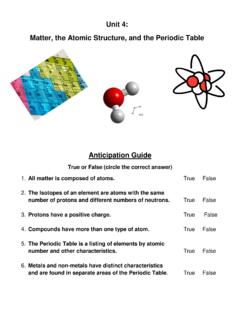
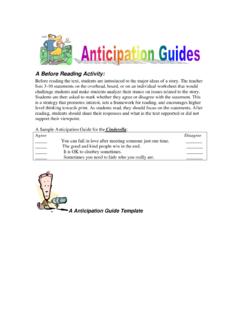
1 29 East 21st Street New York, NY 10010 Tel: Fax: PLan1 CHICAGO PUBLIC SCHOOLS WEEKLY Lesson PLANLP ClassName Week of:Subject: Financial LiteracyPeriod(s):Weekly Lesson PlanDay One: Budgeting and Money ManagementInstructional StrategyVo c a b u l a r yPreview the vocabulary by listing terms on board. Pronounce each one several times aloud. Ask students to look for these terms as they read to gain an understanding of their meanings. Refer them to the glossary if necessary. allocate expense balanced income budget necessitiesBuild Prior KnowledgeFind out what students already know and what misconceptions they may have by administering the anticipation guide as a pretest for the Lesson . Hold on to the pretest for debriefing during the assessment section of the Lesson guide Budgeting and Money ManagementIndicate True (T) or False (F) for each 1.
2 Budgets are a tool used for Financial planning in businesses. _____ 2. The government balances its budget every If you only have a little money, you do not need to worry about a budget. _____4. People in the save less money than people in most other a Purpose for ReadingPost the guiding questions below on the board and read them aloud for students. Tell them they will be reading to find the answers to these questions and to determine the meanings of the vocabulary items. How can keeping a budget help you if your income is small?Who needs to keep a budget?Read to Learn Assign reading from the website below. Encourage students to take notes as they Financial Literacy Lesson plan (Illinois)29 East 21st Street New York, NY 10010 Tel: Fax: PLan2 DiscussAfter students have had the opportunity to read the articles, hold a discussion using the guiding questions above.
3 Review the vocabulary items to make sure students have learned the meanings. Ascertain and answer any further questions students may have. If you are not certain of the answers, refer students to further reading or ask a professional. Be sure to follow up appropriately on any unanswered questions students may ConnectionsHave students keep a learning log or journal to record their thoughts and personal connections to the readings and discussions throughout this unit. Post the questions below on the board and have them answer in their logs. You do not need to read the log in order to validate or correct their work. The importance of this activity is that students connect personally to the learning. Why is it important for me to keep a budget? How can a budget help me?AssessmentRevisit the anticipation guide above. Have students correct what they may have initally got-ten wrong.
4 Keep in mind that some of the statements are not clearly true or false, but may have complex answers. Discuss each for School, Work, and Life Budgeting and Money Management The Importance of Budgeting Knowing Where and How You Spend Your Money Setting Aside Money for Bills Preparing for Unforeseen Circumstances An Increasingly Important SkillDay Two: Budgeting Basics 29 East 21st Street New York, NY 10010 Tel: Fax: PLan3 Instructional StrategyVo c a b u l a r yPreview the vocabulary by listing terms on board. Pronounce each one several times aloud. Ask students to look for these terms as they read to gain an understanding of their meanings. Refer them to the glossary if necessary. balance fixed expenses bankruptcy interest co-signer long-term goals credit history short-term goals See GlossaryClick on Diagram Build Prior KnowledgeFind out what students already know and what misconceptions they may have by administering the anticipation guide as a pretest for the Lesson .
5 Hold on to the pretest for debriefing during the assessment section of the Lesson GuideIndicate True (T) or False (F) for each 1. The more income you have, the harder it is to keep a 2. A worksheet can help you track the money you earn and Credit cards can help you establish a credit 4. If your budget is not balanced, you must increase your income. Establish a Purpose for ReadingPost the guiding questions below on the board and read them aloud for students. Tell them they will be reading to find the answers to these questions and to determine the meanings of the vocabulary items. What are four steps to making a budget?Why do you need a goal for budgetingHow can a worksheet help in budgeting?How can credit cards get you in debt?Read to LearnAssign reading from the website below. Encourage students to take notes as they read.
6 DiscussAfter students have had the opportunity to read the articles, hold a discussion using the guiding questions above. Review the vocabulary items to make sure students have learned the meanings. Ascertain and answer any further questions students may have. If you are not certain of the answers, refer students to further reading or ask a professional. Be sure to follow up appropriately on any unanswered questions students may ConnectionsHave students keep a learning log or journal to record their thoughts and personal connections to the readings and discussions throughout this unit. You do not need to read the log in order to validate or correct their work. The importance of this activity is that students connect personally to the are my short-term and long-term Financial goals? How can I establish good Financial habits?29 East 21st Street New York, NY 10010 Tel: Fax: PLan4 AssessmentRevisit the anticipation guide above.
7 Have students correct what they may have initially got-ten wrong. Keep in mind that some of the statements are not clearly true or false, but may have complex answers. Discuss each for School, Work, and LifeBudgeting and Money Management Budgeting Basics Setting Financial Goals Determining Your Income Figuring Your Expenses Subtracting Expenses From Your Income Once You Have a Budget Credit Cards Teenagers and Credit Use How to Use and Misuse Credit Cards Credit Card ScamsDay Three: Budgeting at Home and School Instructional StrategyVo c a b u l a r yPreview the vocabulary by listing terms on board. Pronounce each one several times aloud. Ask students to look for these terms as they read to gain an understanding of their meanings. Refer them to the glossary if necessary. debt spending power discretionary income surplus See Glossary Click on DiagramBuild Prior KnowledgeFind out what students already know and what misconceptions they may have by administering the anticipation guide as a pretest for the Lesson .
8 Hold on to the pretest for debriefing during the assessment section of the Lesson East 21st Street New York, NY 10010 Tel: Fax: PLan5 anticipation guide Indicate True (T) or False (F) for each If you earn more money than you spend, your spending power is It is easier to decrease spending than it is to increase The majority of middle class families spend more than they The money left after all your expenses are paid is your discretionary a Purpose for ReadingPost the guiding questions below on the board and read them aloud for students. Tell them they will be reading to find the answers to these questions and to determine the meanings of the vocabulary items. How can debt be reduced or eliminated?Read to LearnAssign reading from the website below. Encourage students to take notes as they students have had the opportunity to read the articles, hold a discussion using the guiding questions above.
9 Review the vocabulary items to make sure students have learned the meanings. Ascertain and answer any further questions students may have. If you are not certain of the answers, refer students to further reading or ask a professional. Be sure to follow up appropriately on any unanswered questions students may ConnectionsHave students keep a learning log or journal to record their thoughts and personal connections to the readings and discussions throughout this unit. You do not need to read the log in order to validate or correct their work. The importance of this activity is that students connect personally to the are some ways I can increase my spending power?AssessmentRevisit the anticipation guide above. Have students correct what they may have initally got-ten wrong. Keep in mind that some of the statements are not clearly true or false, but may have complex answers.
10 Discuss each and Money Management Eliminating Debt Spending Power Spend Less Earn More Putting Budgeting Skills to Use Expenses Other NeedsDay Four: Myths and Facts Instructional StrategyVo c a b u l a r yReview vocabulary presented in previous three lessons. Ask students to form meaningful sentences orally using two or more of the words in a sentence about budgeting and money. See Glossary29 East 21st Street New York, NY 10010 Tel: Fax: PLan6 Build Prior KnowledgeFind out what students already know and what misconceptions they may have by administering the anticipation guide as a pretest for the Lesson . Hold on to the pretest for debriefing during the assessment section of the Lesson GuideIndicate True (T) or False (F) for each 1. You have to be in debt to 2. No matter how much money you make, you can save 3. Shopping at sales is a good way to save a Purpose for ReadingPost the guiding questions below on the board and read them aloud for students.