Transcription of SUCH SYSTEMS CAN - Control Solutions
1 ULTIMATE GUIDE TO building AUTOMATION system (BAS) building Automation is monitoring and controlling a building s SYSTEMS including: mechanical, security, fire and flood safety, lighting, heating, ventilation, and air SYSTEMS CAN:keep building climates within a specified range light rooms according to an occupancy scheduleA building with a building automation system (BAS) has up to 30% lower energy and maintenance guide explains BAS and includes links to topics that may be relevant to your own many benefits of a BAS may not be immediately clear until you understand the mechanisms driving these energy performance and device failures in all systemsalarm facility managers in the event of a malfunction$$68 WHAT IS building AUTOMATION?
2 1 THE FOUR CORE FUNCTIONS OF A building AUTOMATION system :TO Control THE building s ENVIRONMENTTO OPERATE SYSTEMS ACCORDING TO OCCUPANCY AND ENERGY DEMANDTO MONITOR AND CORRECT system PERFORMANCETO ALERT OR SOUND ALARMS WHEN NEEDED72 When facilities are monitored and controlled in a seamless fashion, tenants enjoy a more comfortable working environment and facility management benefits from sustainable practices and reduced energy centralized, networked system of hardware and software that monitors and controls a building s facility SYSTEMS (electricity, lighting, plumbing, HVAC.)
3 Water supply, etc.).WHAT IS MEANT BY CONTROLLED ?2 The key component in a BAS is the controller a small, specialized computer with various the old way of Control : Imagine a rugged, manual wood-burning stove. It is impossible to precisely regulate temperature or smoke output by heating a building with pure 150 years: Intelligent controllers regulate heating SYSTEMS to set the temperature of a specific room to a precise degree; then automatically cool s technology allows a building to learn from itself. A modern BAS monitors facility SYSTEMS , optimizes for maximum efficiency, remembers who enters which rooms at what times, and adjusts to conserve energy.
4 That s why automated buildings are called smart buildings. And they re getting smarter all the regulate the performance of various facilities within the building . Traditionally, this includes the following:Mechanical systemsElectrical systemsPlumbing systemsLighting systemsSecurity SystemsSurveillance SystemsHeating, ventilation and air-conditioning systems1 0 1 1 0 1 0 0 0 1 1 1 0 1 0 1 0 1 1 0 1 0 0 0 1 1 1 0 1 0 1 0 1 1 0 1 0 0 1 1 0 1 0 1 0 1 1 0 1 0 0 0 1 1 1 0 1 0 1 0 1 1 1 0 1 0 0 0 1 1 1 0 1 0 0 1 0 1 1 0 1 0 0 1 1 1 0 1 1 0 1 0 1 1 0 1 0 0 0 1 1 1 0 1 0 1 0 0 0 THE EVOLUTION OF SMART BUILDINGSTERMS TO UNDERSTAND34 The origin of smart buildings points to the creation of the incubator thermostat that keeps chicken eggs warm and allow them to hatch.
5 Kevin Callahan, writing for automation has advanced just within our lifetime at a baffling : Automated buildings rely on pneumatic controls with compressed : Microprocessors move the industry from compressed air to analog then digital controls (nothing short of a revolution).1990s: Open protocols allow controlled facilities to actually communicate with one : Wireless technology allows components to communicate without cable building automation can be like a big game of alphabet soup with acronyms everywhere. Lynxspring s VP of Marketing Marc Petock pointed out on LinkedIn that some people treat many of these terms as interchangeable.
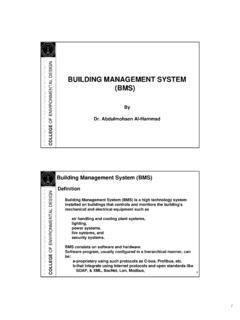
6 LET S CLARIFY THIS ISSUE NOW:With technology evolving so quickly and different countries using different terms, but still having to communicate with one another, the terminology is bound to be in a state of management system and building Control system : General terms for SYSTEMS that Control a building s facilities (not necessarily automation SYSTEMS ).Direct Digital Control : Innovation in the 80s brought small, affordable microprocessors enabling a digital system s components to Programming Interface: The code that defines how two or more pieces of software communicate with one another.
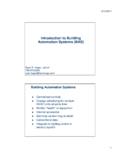
7 building Automation system : A subset that can be a part of the larger BMS or BCS. building management and building automation have so thoroughly overlapped that the terms are used management system and Energy management Control system : Energy consumption, metering, etc. There s enough overlap between what a BAS and an EMS do that we consider these terms DO building AUTOMATION SYSTEMS WORK?5 BASIC BAS HAS FIVE ESSENTIAL COMPONENTS:SENSORS Devices that measure values such as CO2 output, temperature, humidity, daylight or room PROTOCOLS The language spoken among the components of the BAS.
8 Example: BACnet. CONTROLLERS The brains of the SYSTEMS that take data from sensors and decide how the system will OR USER INTERFACE Screens or interfaces humans use to interact with the BAS where building data are DEVICES These carry out the commands from the controller. Examples: relays and 0 1 1 0 1 0 0 0 1 1 1 0 1 0 1 0 1 1 0 1 0 0 0 1 1 1 0 1 0 1 0 1 1 0 1 0 0 1 1 0 1 0 1 0 1 1 0 1 0 0 0 1 1 1 0 1 0 1 0 1 1 1 0 1 0 0 0 1 1 1 0 1 0 0 1 0 1 1 0 1 0 0 1 1 1 0 1 1 0 1 0 1 1 0 1 0 0 0 1 1 1 0 1 0 1 0 0 01 0 1 1 0 1 0 0 0 1 1 1 0 1 0 1 0 1 1 0 1 0 0 0 1 1 1 0 1 0 1 0 1 1 0 1 0 0 1 1 0 1 0 1 0 1 1 0 1 0 0 0 1 1 0 0 1 0 1 0 1 1 1 0 1 0 0 0 1 1 1 0 1 0 0 1 0 1 1 0 1 0 0 1 1 1 0 1 1 0 1 0 1 1 0 1 0 0 0 1 1 1 0 1 0 1 0 0 0 Most BAS activity takes place out of sight with
9 Controllers and output devices hidden from view, just as wiring and plumbing. WHAT BAS CAN DOSets up lighting and HVAC SYSTEMS to operate on an intelligent/efficient components and facilities to work together for greater incoming air flow to regulate air quality, temperature and when HVAC is running both heating and cooling, to reduce utility emergencies and turns off facilities that could endanger problems (elevator stuck with people inside) and sends an who and when someone is entering and leaving a cameras, records activity, sends alarm and data to a security Occupancy sensor detects a presence in the boardroom when the room is known to be in unoccupied unit in the boardroom changes to occupied mode and will heat or cool to pre-occupied set point or desired applies logic commanding the BAS system to change the mode from unoccupied to occupied knowing someone is in the space.
10 *Note: Actual algorithm is far more complex than depicted in this A DDC LOOP WORKS:65 THE ROLE OF CONTROLLERS6 The brains of the BAS, digital controllers receive input data, apply logic (an algorithm, just as Google does with search data) to that information, then send out a command based on what information was is best illustrated through the following basic three-part DDC 0 1 1 0 1 0 0 0 1 1 1 0 1 0 1 0 1 1 0 1 0 0 0 1 1 1 0 1 0 1 0 1 1 0 1 0 0 1 1 0 1 0 1 0 1 1 0 1 0 0 0 1 1 1 0 1 0 1 0 1 1 1 0 1 0 0 0 1 1 1 0 1 0 0 1 0 1 1 0 1 0 0 1 1 1 0 1 1 0 1 0 1 1 0 1 0 0 0 1 1 1 0 1 0 1 0 0 01 0 1 1 0 1 0 0 0 1 1 1 0 1 0 1 0 1 1 0 1 0 0 0 1 1 1 0 1 0 1 0 1 1 0 1 0 0 1 1 0 1 0 1 0 1 1 0 1 0 0 0 1 1 0 0 1 0 1 0 1 1 1 0 1 0 0 0 1 1 1 0 1 0 0 1 0 1 1 0 1 0 0