Transcription of SYMBICORT Prescribing Information
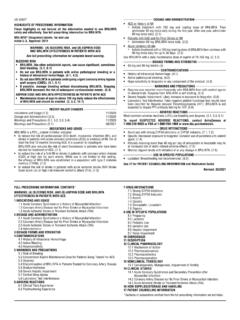
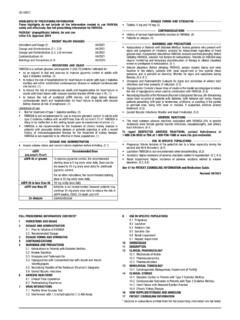
1 HIGHLIGHTS OF Prescribing INFORMATIONT hese highlights do not include all the Information needed to use SYMBICORT safely and effectively. See full Prescribing Information for (budesonide and formoterol fumarate dihydrate)Inhalation Aerosol, for oral inhalation useInitial Approval: 2006------------------------------------ ---- INDICATIONS AND USAGE ---------------------------------------- SYMBICORT is a combination product containing a corticosteroid and a long-acting beta2-adrenergic agonist indicated for: Treatment of asthma in patients 6 years of age and older.
2 ( ) Maintenance treatment of airflow obstruction and reducing exacerbations in patients with chronic obstructive pulmonary disease (COPD) including chronic bronchitis and/or emphysema. ( )Important limitations: Not indicated for the relief of acute bronchospasm. ( , )------------------------------------ DOSAGE AND ADMINISTRATION ------------------------------------For oral inhalation only. Treatment of asthma in patients 12 years and older: 2 inhalations of SYMBICORT 80 or 160 twice daily. Starting dosage is based on asthma severity. ( ) Treatment of asthma in patients aged 6 to less than 12 years: 2 inhalations of SYMBICORT 80 twice daily.
3 ( ) Maintenance treatment in COPD: 2 inhalations of SYMBICORT 160 twice daily. ( )---------------------------------- DOSAGE FORMS AND STRENGTHS -----------------------------------Meter ed-dose inhaler containing a combination of budesonide (80 or 160 mcg) and formoterol ( mcg) as an inhalation aerosol. (3)------------------------------------- ----- CONTRAINDICATIONS ---------------------------------------- -- Primary treatment of status asthmaticus or acute episodes of asthma or COPD requiring intensive measures (4) Hypersensitivity to any of the ingredients in SYMBICORT (4)------------------------------------ WARNINGS AND PRECAUTIONS ------------------------------------ Serious asthma-related events: Long-acting beta2-adrenergic agonists as monotherapy increase the risk.
4 ( ) Deterioration of disease and acute episodes: Do not initiate in acutely deteriorating asthma or COPD or to treat acute symptoms. ( ) Use with additional long-acting beta2-agonist: Do not use in combination because of risk of overdose. ( ) Localized infections: Candida albicans infection of the mouth and throat may occur. Monitor patients periodically for signs of adverse effects on the oral cavity. Advise the patient to rinse his/her mouth with water without swallowing after inhalation to help reduce the risk. ( ) Pneumonia: Increased risk in patients with COPD.
5 Monitor patients for signs and symptoms of pneumonia and other potential lung infections. ( ) Immunosuppression: Potential worsening of infections ( , existing tuberculosis, fungal, bacterial, viral, or parasitic infection; or ocular herpes simplex). Use with caution in patients with these infections. More serious or even fatal course of chickenpox or measles can occur in susceptible patients. ( ) Transferring patients from systemic corticosteroids: Risk of impaired adrenal function when transferring from oral steroids. Taper patients slowly from systemic corticosteroids if transferring to SYMBICORT .
6 ( ) Hypercorticism and adrenal suppression: May occur with very high dosages or at the regular dosage in susceptible individuals. If such changes occur, discontinue SYMBICORT slowly. ( ) Strong cytochrome P450 3A4 inhibitors ( , ritonavir): Risk of increased systemic corticosteroid effects. Exercise caution when used with SYMBICORT . ( ) Paradoxical bronchospasm: Discontinue SYMBICORT and institute alternative therapy if paradoxical bronchospasm occurs. ( ) Patients with cardiovascular or central nervous system disorders: Use with caution because of beta-adrenergic stimulation.
7 ( ) Decreases in bone mineral density: Assess bone mineral density initially and periodically thereafter. ( ) Effects on growth: Monitor growth of pediatric patients. ( ) Glaucoma and cataracts: Close monitoring is warranted. ( ) Metabolic effects: Be alert to eosinophilic conditions, hypokalemia, and hyperglycemia. ( , ) Coexisting conditions: Use with caution in patients with convulsive disorders, thyrotoxicosis, diabetes mellitus, and ketoacidosis. ( )--------------------------------------- --- ADVERSE REACTIONS ---------------------------------------- -Most common adverse reactions (incidence >3%) are: Asthma: nasopharyngitis, headache, upper respiratory tract infection, pharyngolaryngeal pain, sinusitis, influenza, back pain, nasal congestion, stomach discomfort, vomiting, and oral candidiasis.
8 ( ) COPD: nasopharyngitis, oral candidiasis, bronchitis, sinusitis, upper respiratory tract infections. ( )To report SUSPECTED ADVERSE REACTIONS, contact AstraZeneca at 1-800-236-9933 or FDA at 1-800-FDA-1088 or DRUG INTERACTIONS ---------------------------------------- --- Strong cytochrome P450 3A4 inhibitors ( , ritonavir): Use with caution. May cause increased systemic corticosteroid effects. ( ) Monoamine oxidase inhibitors and tricyclic antidepressants: Use with extreme caution. May potentiate effect of formoterol on vascular system.
9 ( ) Beta-blockers: Use with caution. May block bronchodilatory effects of beta-agonists and produce severe bronchospasm. ( ) Diuretics: Use with caution. Electrocardiographic changes and/or hypokalemia associated with non-potassium-sparing diuretics may worsen with concomitant beta-agonists. ( )----------------------------------- USE IN SPECIFIC POPULATIONS -------------------------------------Hep atic impairment: Monitor patients for signs of increased drug exposure. ( )See 17 for PATIENT COUNSELING Information and FDA-approved patient labelingRevised: 07/2019US-31454 FULL Prescribing Information .
10 CONTENTS*1 INDICATIONS AND USAGE Treatment of Asthma Maintenance Treatment of Chronic Obstructive Pulmonary Disease2 DOSAGE AND ADMINISTRATION Administration Information Asthma Chronic Obstructive Pulmonary Disease3 DOSAGE FORMS AND STRENGTHS4 CONTRAINDICATIONS5 WARNINGS AND PRECAUTIONS Serious Asthma-Related Events Hospitalizations, Intubations and Death Deterioration of Disease and Acute Episodes Excessive Use of SYMBICORT and Use with Other Long-Acting Beta2-Agonists Local Effects Pneumonia and Other Lower Respiratory Tract Infections Immunosuppression Transferring Patients From Systemic Corticosteroid Therapy Hypercorticism and Adrenal Suppression Drug Interactions With Strong Cytochrome P450 3A4 Inhibitors Paradoxical Bronchospasm and Upper Airway Symptoms Immediate Hypersensitivity Reactions Cardiovascular and