Transcription of Zinc Fact Sheet for Consumers
1 What is zinc and what does it do?Zinc is a nutrient that people need to stay healthy. Zinc is found in cells throughout the body. It helps the immune system fight off invading bacteria and viruses. The body also needs zinc to make proteins and DNA, the genetic material in all cells. During pregnancy, infancy, and childhood, the body needs zinc to grow and develop properly. Zinc also helps wounds heal and is important for proper senses of taste and smell. How much zinc do I need?The amount of zinc you need each day depends on your age. Average daily recommended amounts for different ages are listed below in milligrams (mg):Life StageRecommended AmountBirth to 6 months2 mgInfants 7 12 months3 mgChildren 1 3 years3 mgChildren 4 8 years5 mgChildren 9 13 years8 mgTeens 14 18 years (boys)11 mgTeens 14 18 years (girls)9 mgAdults (men)11 mgAdults (women)8 mgPregnant teens12 mgPregnant women11 mgBreastfeeding teens13 mgBreastfeeding women12 mgWhat foods provide zinc?
2 Zinc is found in a wide variety of foods. You can get recommended amounts of zinc by eating a variety of foods including the following: Oysters, which are the best source of zinc. Red meat, poultry, seafood such as crab and lobsters, and fortified breakfast cereals, which are also good sources of zinc. Beans, nuts, whole grains, and dairy products, which provide some kinds of zinc dietary supplements are available?Zinc is present in almost all multivitamin/mineral dietary supplements. It is also available alone or combined with calcium, magnesium or other ingredients in dietary supplements. Dietary supplements can have several different forms of zinc including zinc gluconate, zinc sulfate and zinc acetate. It is not clear whether one form is better than the is also found in some oral over-the-counter products, including those labeled as homeopathic medications for colds.
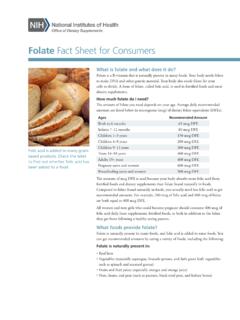
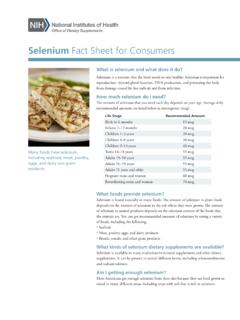
3 Use of nasal sprays and gels that contain zinc has been associated with the loss of the sense of smell, in some cases long-lasting or Many foods have zinc. Red meat, poultry, oysters and other sea-food, and fortified breakfast cereals are good sources. Beans, nuts, whole grains, and dairy products have some zinc as well. Zinc Fact Sheet for Consumerspermanent. Currently, these safety concerns have not been found to be associated with oral products containing zinc, such as cold is also present in some denture adhesive creams. Using large amounts of these products, well beyond recommended levels, could lead to excessive zinc intake and copper deficiency. This can cause neurological problems, including numbness and weakness in the arms and I getting enough zinc?Most people in the United States get enough zinc from the foods they , certain groups of people are more likely than others to have trouble getting enough zinc: People who have had gastrointestinal surgery, such as weight loss surgery, or who have digestive disorders, such as ulcerative colitis or Crohn s disease.
4 These conditions can both decrease the amount of zinc that the body absorbs and increase the amount lost in the urine. Vegetarians because they do not eat meat, which is a good source of zinc. Also, the beans and grains they typically eat have compounds that keep zinc from being fully absorbed by the body. For this reason, vegetarians might need to eat as much as 50% more zinc than the recommended amounts. Older infants who are breastfed because breast milk does not have enough zinc for infants over 6 months of age. Older infants who do not take formula should be given foods that have zinc such as pureed meats. Formula-fed infants get enough zinc from infant formula. Alcoholics because alcoholic beverages decrease the amount of zinc that the body absorbs and increase the amount lost in the urine. Also, many alcoholics eat a limited amount and variety of food, so they may not get enough zinc.
5 People with sickle cell disease because they might need more happens if I don t get enough zinc?Zinc deficiency is rare in North America. It causes slow growth in infants and children, delayed sexual development in adolescents, and impotence in men. Zinc deficiency also causes hair loss, diarrhea, eye and skin sores, and loss of appetite. Weight loss, problems with wound healing, decreased ability to taste food, and lower alertness levels can also occur. Many of these symptoms can be signs of problems other than zinc deficiency. If you have these symptoms, your doctor can help determine whether you might have a zinc are some effects of zinc on health?Scientists are studying zinc to learn about its effects on theimmune system (the body s defense system against bacteria, viruses, and other foreign invaders). Scientists are also researching possible connections between zinc and the health problems discussed below.
6 Immune system and wound healingThe body s immune system needs zinc to do its job. Older people and children in developing countries who have low levels of zinc might have a higher risk of getting pneumonia and other infections. Zinc also helps the skin stay healthy. Some people who have skin ulcers might benefit from zinc dietary supplements, but only if they have low levels of zinc. DiarrheaChildren in developing countries often die from diarrhea. Studies show that zinc dietary supplements help reduce the symptoms and duration of diarrhea in these children, many of whom are zinc deficient or otherwise malnourished. The World Health Organization and UNICEF recommend that children with diarrhea take zinc for 10 14 days (20 mg/day, or 10 mg/day for infants under 6 months). It is not clear whether zinc dietary supplements can help treat diarrhea in children who get enough zinc, such as most children in the United common coldSome studies suggest that zinc lozenges or syrup help speed recovery from the common cold if you start taking them within 1 to 3 days of coming down with a cold.
7 However, more study is needed to determine the best dose and form of zinc, as well as how often and how long it should be taken before zinc can be recommended as a treatment for the common cold. Age-related macular degeneration (AMD)AMD is an eye disease that gradually causes vision loss. Research suggests that zinc might help slow AMD progression. In a large study among older people with AMD who were at high risk of developing advanced AMD, those who took a daily dietary supplement with 80 mg zinc, 500 mg vitamin C, 400 IU vitamin E, 15 mg beta-carotene, and 2 mg copper for about 6 years had a lower chance of developing advanced AMD and less vision loss than those who did not take the dietary supplement. In the same study, people at high risk of the disease who took dietary supplements containing only zinc also had a lower risk of getting advanced AMD than those who did not take zinc dietary supplements.
8 People who have or are developing the disease might want to talk with their doctor about taking dietary zinc be harmful?Yes, if you get too much. Signs of too much zinc include nausea, vomiting, loss of appetite, stomach cramps, diarrhea, and headaches. When people take too much zinc for a long 2 ZINC FACT Sheet FOR Consumers time, they sometimes have problems such as low copper levels, lower immunity, and low levels of HDL cholesterol (the good cholesterol). The daily upper limits for zinc include intakes from all sources food, beverages, and supplements and are listed below. These levels do not apply to people who are taking zinc for medical reasons under the care of a doctor:Life StageUpper LimitBirth to 6 months4 mgInfants 7 12 months5 mgChildren 1 3 years7 mgChildren 4 8 years12 mgChildren 9 13 years23 mgTeens 14 18 years34 mgAdults40 mgDoes zinc interact with medications or other dietary supplements?
9 Yes. Zinc dietary supplements can interact or interfere with medicines that you take and, in some cases, medicines can lower zinc levels in the body. Here are several examples: taking a zinc dietary supplement along with quinolone or tetracycline antibiotics (such as Cipro , Achromycin , and Sumycin ) reduces the amount of both zinc and the antibiotic that the body absorbs. taking the antibiotic at least 2 hours before or 4 6 hours after taking a zinc dietary supplement helps minimize this effect. Zinc dietary supplements can reduce the amount of penicillamine (a drug used to treat rheumatoid arthritis) that the body absorbs. They also make penicillamine work less well. taking zinc dietary supplements at least 2 hours before or after taking penicillamine helps minimize this effect. Thiazide diuretics, such as chlorthalidone (brand name Hygroton ) and hydrochlorothiazide (brand names Esidrix and HydroDIURIL ) increase the amount of zinc lost in the urine.
10 taking thiazide diuretics for a long time could decrease the amount of zinc in the your doctor, pharmacist, and other health care providers about any dietary supplements and medicines you take. They can tell you if those dietary supplements might interact or interfere with your prescription or over-the-counter medicines or if the medicines might interfere with how your body absorbs, uses, or breaks down and healthful eatingPeople should get most of their nutrients from food and beverages, according to the federal government s Dietary Guidelines for Americans. Foods contain vitamins, minerals, dietary fiber, and other components that benefit health. In some cases, fortified foods and dietary supplements are useful when it is not possible to meet needs for one or more nutrients ( , during specific life stages such as pregnancy). For more information about building a healthy dietary pattern, see the Dietary Guidelines for Americans and the Department of Agriculture s can I find out more about zinc?