Transcription of Home Sprinkler Systems: Backflow Prevention Devices
1 Backflow Prevention Devices protect thedrinking water system from contami-nation due to Backflow of non-potable(contaminated) water into the potable (fitfor drinking) water supply. Backflow is oftwo types, back-siphonage and drop in pressure in the main citywater line can result in back-siphonagebackflow of fertilizers, pesticides,manures and other contaminantsthrough Sprinkler heads and theirrigation piping system into the potablewater supply. This same contaminationmay occur through a hose-attachedsprinkler, spray nozzle or pesticidesprayer. This presents a serious threat topublic health. This drop in pressure canresult from a break in the line or bylowered mainline pressure due to highwater withdrawal, as may occur duringfire fighting operations.
2 Improper installation of a lawn sprinklerpump or injector system may forcecontaminants back into the potablewater supply. In this case, the pressureexerted by the pump is greater than thepressure in the potable water is known as backpressure properly installed, an approvedbackflow Prevention device will preventback-siphonage and/or back-pressurebackflow. Not all Devices are designedto handle both types of Backflow . Backflow Prevention Devices aredesigned for installation on sprinklersystems connected to potable (drinking)water supplies only. Sprinkler systemsonly connected to irrigation water (ditchsystems) do not require backflowprotection.
3 Some parts of the state ofColorado have dual irrigation systemsthat apply irrigation and potable waterthrough the same irrigation systems require a reducedpressure principle assembly to protectthe domestic water device selected must be the properdevice for the degree of hazard and havebeen approved by the Foundation ofCross Connection Control. Contact yourcounty health, planning or buildingdepartment for a list of approveddevices. These Devices must be certifiedupon installation and at least annually toinsure continued Backflow must be done by a contractbackflow technician whose backflowcertification is current. Contact yourcommunity water purveyor for thebackflow testing companies andindividuals in your area.
4 If your waterpurveyor does not provide you a list oftesters, it is up to you as the waterconsumer to select one. The Coloradolist of contract Backflow technicians canbe found at normally are required forsystems that require Backflow preventiondevices prior to the installation of a Backflow preventiondevices must be installedon all Sprinkler systems(including sprinklersattached to hoses) usingpotable (fit for drinking) preventiondevices are designed toprevent contamination ofthe potable water systemfrom pesticides, feces andother connection backflowprevention Devices mayprovide protection for thesystem when insecticides,other pesticides orfertilizers are applied bymeans of a hose-endspray Colorado State University Extension.
5 4/03. Revised 5 Sprinkler Systems: Backflow PreventionDevicesQuick Facts1 Crop Series | IrrigationFact Sheet C. Swift and M. Higgins* (6/20)Revised by Jones** Swift, former Colorado StateUniversity Extension, HorticultureAgent, Tri River Area. M. Higgins,Grand Junction Pipe and Supply,Grand Junction, Colo. **Revised byKurt Jones, Colorado State UniversityExtension agent, natural resroucesand agriculture, Chaffee County. 5 system . The installation design, to includethe type and placement of Backflow preventiondevices will be approved during the permit reviewprocess. Permits are available from city/countybuilding departments. Types of Backflow PreventionDevices A mechanical Backflow Prevention device allowswater to flow in only one direction.
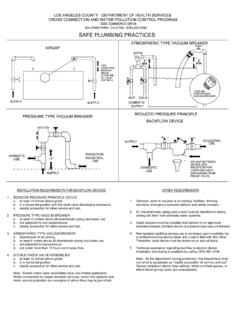
6 pressure vacuumbreakers (PVB), and the reduced pressure principledevice (RP), are the ones commonly used inresidential Sprinkler systems. The RP device must beused for more hazardous back- pressure situations. Vacuum BreakersThese are effective only against mechanical Backflow preventers are not to beused when backpressure problems may exist. Thereare two types, the atmospheric vacuum breaker(AVB) and the pressure vacuum breaker (PVB). The atmospheric vacuum breaker (AVB) is gravityoperated and must be installed in the unit. Thisdevice must always be installed at least six (6)inches (check local codes) above all downstreampiping and outlets.
7 pressure Devices The pressure vacuum breaker (PVB) is designed toopen after long periods of continuous waterpressure. This type of device may be installed undera constant pressure upstream of all control device must be installed in a vertical positionand at least twelve (12) inches above all downstreampiping. While more expensive than the AVB or combinationdevice, only one PVB is needed for an entiresprinkler system . The PVB is equipped with testcocks and must be tested yearly by a Figure 1: Atmospheric vacuum 2: Plastic (above) and brass (below)combination AVB units are 3: pressure Vacuum 4: reduced pressure reduced pressure (RP) Backflow device isthe highest level of protection available.
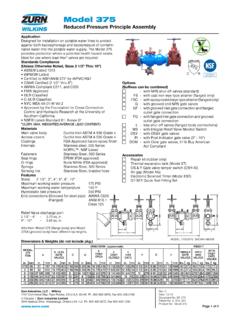
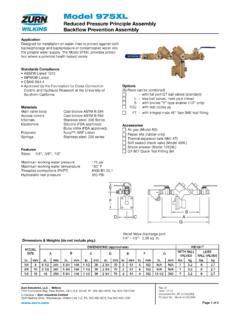
8 Thisdevice protects from Backflow and backpressure. When installing the device, a minimumof 12 inches of access and clearance betweenthe lowest portion of the device and grade, flooror platform must be provided. There must beadequate clearance around the assembly sothat testing and repairs can be pressure Backflow Devices are oftenused when pressure vacuum breakers cannotbe used ( when down-stream piping is higherthan the 12 inch clearance mentioned above).Hose Connections Sprinkler attachments, spray nozzles and otheritems attached to a hose connected to thepotable water supply must be protected by theuse of an approved hose connection vacuumbreaker.
9 These Devices are designed for hosethreaded outlets (sill cocks, hose bibs). Backflow Prevention is critical when using ahose-end sprayer connected to the potablewater supply. Backflow can easily suck aninsecticide or other chemical back into thedomestic water system . A hose connectionvacuum breaker should be used as minimumprotection when fertilizers, insecticides or otherpesticides are applied with a hose-end or PVB device unless a higher degree of hazardexists. The injection of fertilizers, pesticides or othercontaminants through the irrigation system representsa higher degree of hazard and requires the use of adevice such as the reduced pressure principlebackflow assembly (RP device) to ensure SystemsBackflow Prevention Devices will be damaged byfreezing during the winter unless drained of all , home Sprinkler Systems: Preparing yourSprinkler system for Winter for connection vacuum breakers are best removed,drained and stored for the 5: Hose connection vacuum Notes Backflow Prevention Devices are designed withthe degree of health hazard in mind.
10 Unlessprohibited in your area, lawn Sprinkler systemsusing potable water can be used with either an Colorado State University, Department ofAgriculture and Colorado counties cooperating. CSUE xtension programs are available to all withoutdiscrimination. No endorsement of productsmentioned is intended nor is criticism implied ofproducts not mentioned.