Transcription of 2021 Instructions for Form 8889
1 Userid: CPMS chema: instrxLeadpct: 100%Pt. size: Draft Ok to PrintAH XSL/XMLF ileid: .. ions/i8889/2021/a/xml/cycle02/source(Ini t. & Date) _____Page 1 of 7 15:38 - 5-Jan-2022 The type and rule above prints on all proofs including departmental reproduction proofs. MUST be removed before for Form 8889 Health Savings Accounts (HSAs)Department of the TreasuryInternal Revenue ServiceSection references are to the Internal Revenue Code unless otherwise DevelopmentsFor the latest information about developments related to Form 8889 and its Instructions , such as legislation enacted after they were published, go to s NewPersonal protective equipment.
2 Amounts paid for personal protective equipment (PPE), such as masks, hand sanitizer, and sanitizing wipes, for use by you, your spouse, or your dependent(s) to prevent the spread of COVID-19 are eligible medical expenses that may be paid or reimbursed from an HSA. See Announcement 2021-7 at # of home testing for COVID-19. The cost to diagnose COVID-19 is an eligible medical expense for tax purposes, which means the cost of home testing for COVID-19 for you, your spouse, or your dependent(s) may be paid or reimbursed from an HSA. See for medical expenses. Over-the-counter medicine (whether or not prescribed) and menstrual care products are qualified medical expenses that may be paid or reimbursed from an and other remote care.
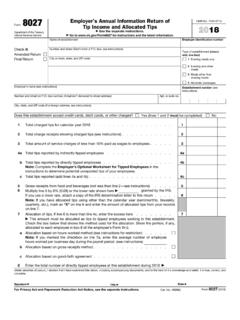
3 The Coronavirus Aid, Relief, and Economic Security Act increases the availability of telehealth and other remote care for HSAs. In the case of plan years beginning before 2022 eligible individual may have separate coverage for telehealth and other remote care in addition to a high deductible health high deductible health plan may have no deductible (or a deductible below the minimum annual deductible) for telehealth and other remote care InstructionsPurpose of FormUse Form 8889 to: Report health savings account (HSA) contributions (including those made on your behalf and employer contributions), Figure your HSA deduction, Report distributions from HSAs, and Figure amounts you must include in income and additional tax you may owe if you fail to be an eligible information.
4 See Pub. 969, Health Savings Accounts and Other Tax-Favored Health Plans, for more details on HSAs. Also, see the Instructions for Form 1040 and the Instructions for Form Must FileYou must file Form 8889 if any of the following applies. You (or someone on your behalf, including your employer) made contributions for 2021 to your HSA. You received HSA distributions in 2021. You must include certain amounts in income because you failed to be an eligible individual during the testing period. You acquired an interest in an HSA because of the death of the account beneficiary. See Death of Account Beneficiary, you (or your spouse, if filing jointly) received HSA distributions in 2021, you must file Form 8889 with Form 1040, Form 1040-SR, or Form 1040-NR, even if you have no taxable income or any other reason for filing Form 1040, Form 1040-SR, or Form IndividualTo be eligible to have contributions made to your HSA, you must be covered under a high deductible health plan (HDHP) and have no other health coverage except certain disregarded CAUTION!
5 Coverage. If you are an eligible individual, anyone can contribute to your HSA. However, you cannot be enrolled in Medicare or be another person's dependent. An individual does not fail to be treated as an eligible individual for any period merely because the individual receives hospital care or medical services under any law administered by the Secretary of Veterans Affairs for a service-connected disability. You must be, or be considered, an eligible individual on the first day of a month to take an HSA deduction for that month (see Last-month rule next).Last-month rule. If you are an eligible individual on the first day of the last month of your tax year (December 1 for most taxpayers), you are considered to be an eligible individual for the entire year, so long as you remain an eligible individual during the testing period as discussed period.
6 You must remain an eligible individual during the testing period in order to take advantage of the last-month rule. The testing period begins with the last month of your tax year and ends on the last day of the 12th month following that month (for example, December 1, 2021 December 31, 2022). If you fail to remain an eligible individual during this period, other than because of death or becoming disabled, you will have to include in income the total contributions made that would not have been made except for the last-month rule. You include this amount in income in the year in which you fail to be an eligible individual.
7 This amount is also subject to a 10% additional tax. (See Part III.)Account BeneficiaryThe account beneficiary is the individual on whose behalf the HSA was , an HSA is a health savings account set up exclusively for paying the qualified medical expenses of the account beneficiary or the account beneficiary's spouse or 30, 2021 Cat. No. 37971 YPage 2 of 7 Fileid: .. ions/i8889/2021/a/xml/cycle02/source15:3 8 - 5-Jan-2022 The type and rule above prints on all proofs including departmental reproduction proofs. MUST be removed before From an HSAD istributions from an HSA used exclusively to pay qualified medical expenses of the account beneficiary, spouse, or dependents are excludable from gross income.
8 (See the Line 15 Instructions for information on medical expenses of dependents not claimed on your return.) You can receive distributions from an HSA even if you are not currently eligible to have contributions made to the HSA. However, any part of a distribution not used to pay qualified medical expenses is includible in gross income and is subject to an additional 20% tax unless an exception Medical ExpensesGenerally, qualified medical expenses for HSA purposes are unreimbursed medical expenses that could otherwise be deducted on Schedule A (Form 1040). See the Instructions for Schedule A and Pub.
9 502, Medical and dental Expenses. As the HSA account beneficiary, you can pay these expenses for medical care for yourself, your spouse, and your dependents. Even though nonprescription medicines (other than insulin) do not qualify for the medical and dental expenses deduction, they do qualify as expenses for HSA purposes. The cost of menstrual care products (tampons, pads, liners, cups, sponges, or other similar products) are also reimbursable for HSA you pay for personal protective equipment, such as masks, hand sanitizer, and sanitizing wipes for you, your spouse, and your dependent(s) for the primary purpose of preventing the spread of COVID-19 are treated as medical expenses eligible to be reimbursed from an cost of home testing for COVID-19 for you, your spouse, or your dependent(s)
10 Is an eligible medical expense for tax purposes, which may be paid or reimbursed from an incurred before you establish your HSA are not qualified medical expenses. If, under the last-month rule, you are considered to be an eligible individual for the entire year for determining the contribution amount, only those expenses incurred after you actually establish your HSA are qualified medical cannot treat insurance premiums as qualified medical expenses unless the premiums are care (LTC) insurance, care continuation coverage (such as coverage under COBRA), care coverage while receiving unemployment compensation under federal or state law, and other health care coverage if you were 65 or older (other than premiums for a Medicare supplemental policy, such as Medigap).