Transcription of Using the CONSORT for Abstracts checklist: some …
1 Using the CONSORT for Using the CONSORT for Abstracts checklist : Abstracts checklist : some examplessome examplesThis is a series of slides providing illustrative examples of raThis is a series of slides providing illustrative examples of randomized ndomized trials Using the CONSORT for Abstracts checklist . trials Using the CONSORT for Abstracts checklist . These are well reported trials published prior to the publicatioThese are well reported trials published prior to the publication of this n of this checklist . The checklist . The beforebefore and and afterafter examples have been used to examples have been used to illustrate how reporting could be enhanced by including additionillustrate how reporting could be enhanced by including additional al items from the CONSORT for Abstracts checklist . They have been items from the CONSORT for Abstracts checklist . They have been prepared in consultation with the trial in consultation with the trial examples should be read in conjunction with the CONSORT These examples should be read in conjunction with the CONSORT for Abstracts explanation and elaboration Abstracts explanation and elaboration Objectives To compare the effectiveness of an early switch to oralTo compare the effectiveness of an early switch to oralantibiotics with the standard 7 day course of intravenous antibiantibiotics with the standard 7 day course of intravenous antibiotics inotics insevere community acquired community acquired Design Multicentre randomised controlled randomised controlled Setting Five teaching hospitals and 2 university medical centres in theFive teaching hospitals and 2 university medical centres in patients in non302 patients in non--intensive care wards with severeintensive care wards with severecommunity acquired pneumonia.
2 265 patients fulfilled the studycommunity acquired pneumonia. 265 patients fulfilled the days of treatment with intravenous antibiotics followed,Three days of treatment with intravenous antibiotics followed,when clinically stable, by oral antibiotics or by 7 days of intrwhen clinically stable, by oral antibiotics or by 7 days of outcome measuresMain outcome measuresClinical cure and length of hospital cure and length of hospital Results 302 patients were randomised (mean age (standard deviation302 patients were randomised (mean age (standard ), mean pneumonia severity score ( )). 37 patients ), mean pneumonia severity score ( )). 37 patients werewereexcluded from analysis because of early dropout before day 3, leexcluded from analysis because of early dropout before day 3, leaving 265aving 265patients for intention to treat analysispatients for intention to treat at day 28 was 4% in theMortality at day 28 was 4% in theintervention group and 6% in the control group (mean difference intervention group and 6% in the control group (mean difference 2%, 95%2%, 95%confidence interval confidence interval --3% to 8%).)
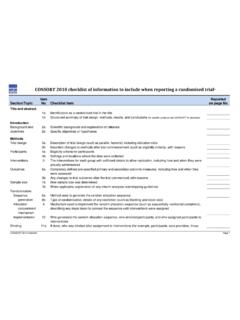
3 3% to 8%). Clinical cure was 83% in the interventionClinical cure was 83% in the interventiongroup and 85% in the control group (2%,group and 85% in the control group (2%,--7% to 10%).7% to 10%).Duration ofDuration ofintravenous treatment and length of hospital stay were reduced iintravenous treatment and length of hospital stay were reduced in then theintervention group, with mean differences of days ( ( )intervention group, with mean differences of days ( ( )v v ( ) ( )days; to ) and days ( ( ) days; to ) and days ( ( ) v v ( ) days; to ), ( ) days; to ), Conclusions Early switch from intravenous to oral antibiotics in patientsEarly switch from intravenous to oral antibiotics in patientswith severe community acquired pneumonia is safe and decreases lwith severe community acquired pneumonia is safe and decreases lengthengthof hospital stay by 2 hospital stay by 2 registrationTrial registrationClinical Trials Trials Item Reported Title Authors contact details Trial design Methods Participants Interventions Objective Outcomes Randomization Blinding (masking) Results Number randomized Recruitment Number analysed Outcome Harms Conclusions Trial registration Funding Word count.
4 248 Oosterheert JJ, Bonten MJ, Schneider MM, Buskens E, Lammers JW, Hustinx WM, Kramer MH, Prins JM, Slee PH, Kaasjager K, Hoepelman AI. Effectiveness of early switch from intravenous to oral antibiotics in severe community acquired pneumonia: multicentre randomised trial. BMJ. 2006;333(7580) highlighted in blue signifies where items are reported from the CONSORT for Abstracts checklistOObjectivesbjectivesEffectivene ss of early switching to oral antibioticsEffectiveness of early switching to oral antibioticscompared with standard 7 day course of intravenous antibiotics icompared with standard 7 day course of intravenous antibiotics innsevere community acquired community acquired Multicentre parallel parallel randomised controlled, randomised controlled, open label,open label,trial. trial. AAcentral randomisation centre used computer generated tables to acentral randomisation centre used computer generated tables to teaching hospitals and 2 university medical centres in theFive teaching hospitals and 2 university medical centres in Participants 302 patients in non302 patients in non--intensive care wards with severeintensive care wards with severecommunity acquired pneumonia.
5 265 patients fulfilled the studycommunity acquired pneumonia. 265 patients fulfilled the days of treatment with intravenous antibiotics followed,Three days of treatment with intravenous antibiotics followed,when clinically stable, by oral antibiotics or by 7 days of intrwhen clinically stable, by oral antibiotics or by 7 days of intravenousavenousantibiotics. antibiotics. FollowFollow--up 28 28 outcome measuresMain outcome measuresClinical cure and length of hospital cure and length of hospital Results 302 patients 302 patients (early switch n=152; standard care n=150)(early switch n=152; standard care n=150)were randomisedwere randomised(mean age (standard deviation ), mean pneumonia severit(mean age (standard deviation ), mean pneumonia severity y ( )). 37 patients were excluded from analysis because of earl( )). 37 patients were excluded from analysis because of early dropout beforey dropout beforeday 3, leaving day 3, leaving 265 (265 (n=132; n=133)n=132; n=133)patients for intention to treat for intention to treat was 83% in the intervention group and 85% in the control grcure was 83% in the intervention group and 85% in the control group (2%, oup (2%, --7% to7% to10%).)
6 10%).Duration of intravenous treatment and length of hospital stay wDuration of intravenous treatment and length of hospital stay were reduced inere reduced inthe intervention group, with mean differences of days ( (the intervention group, with mean differences of days ( ( ) ) v v ( ) ( )days; to ) and days ( ( ) days; to ) and days ( ( ) v v ( ) days; to ), ( ) days; to ),respectively. respectively. Mobility and other side effects were comparable across and other side effects were comparable across switch from intravenous to oral antibiotics in patientsEarly switch from intravenous to oral antibiotics in patientswith severe community acquired pneumonia is safe and decreases lwith severe community acquired pneumonia is safe and decreases lengthengthof hospital stay by 2 hospital stay by 2 registrationTrial registrationClinical Trials Trials Funding Dutch Health Insurance Council, OG 99 Dutch Health Insurance Council, OG to.
7 Item Reported Title Authors contact details Trial design Methods Participants Interventions Objective Outcomes Randomization Blinding (masking) Results Number randomized Recruitment Number analysed Outcome Harms Conclusions Trial registration Funding Word count: 260 Text highlighted in red signifies where items have been added from the CONSORT for Abstracts checklistContext Context Carotid artery intimaCarotid artery intima--media thickness (CIMT) is a marker of coronarymedia thickness (CIMT) is a marker of coronaryatherosclerosis and independently predicts cardiovascular eventsatherosclerosis and independently predicts cardiovascular events, which are, which areincreased in type 2 diabetes mellitus (DM). While studies of relincreased in type 2 diabetes mellitus (DM). While studies of relatively shortatively shortduration have suggested that thiazolidinediones such as pioglitaduration have suggested that thiazolidinediones such as pioglitazone mightzone mightreduce progression of CIMT in persons with diabetes, the resultsreduce progression of CIMT in persons with diabetes, the resultsof longer studiesof longer studieshave been less clear.
8 Have been less clear. ObjectiveObjectiveTo evaluate the effect of pioglitazone vs glimepiride on changesTo evaluate the effect of pioglitazone vs glimepiride on changesininCIMT of the common carotid artery in patients with type 2 DM. CIMT of the common carotid artery in patients with type 2 DM. Design, Setting, and ParticipantsDesign, Setting, and ParticipantsRandomized, doubleRandomized, double--blind, comparatorblind, comparatorcontrolled, multicenter trialcontrolled, multicenter trialin patients with type 2 DM conducted at 28 clinicalin patients with type 2 DM conducted at 28 clinicalsites in the multiracial/ethnic Chicago metropolitan area betweesites in the multiracial/ethnic Chicago metropolitan area between October 2003n October 2003and May 2006. The treatment period was 72 weeks and May 2006. The treatment period was 72 weeks (1(1--week followweek follow--up).up).CIMTCIMT images were captured by a single ultrasonographer at 1 center animages were captured by a single ultrasonographer at 1 center and read by ad read by asingle treatmentsingle treatment--blinded readerblinded readerusing automated edgeusing automated edge--detection Participants were 462 adults (mean age, 60 [SD, ] years; mean body masswere 462 adults (mean age, 60 [SD, ] years; mean body massindex, 32 [SD, ])index, 32 [SD, ])with type 2 DM with type 2 DM (mean duration, [SD, ] years; mean(mean duration, [SD, ] years; meanglycosylated hemoglobin [HbA1c] value, [SD, ]),glycosylated hemoglobin [HbA1c] value, [SD, ]),either newlyeither newlydiagnosed or currently treated with diet and exercise, sulfonyludiagnosed or currently treated with diet and exercise, sulfonylurea, metformin,rea, metformin,insulin, or a combination thereof.
9 Insulin, or a combination thereof. InterventionsInterventionsPioglitazone hydrochloride (15 Pioglitazone hydrochloride (15--45 mg/d) or glimepiride (145 mg/d) or glimepiride (1--4 mg/d)4 mg/d)as an active comparator. as an active comparator. Main Outcome MeasureMain Outcome MeasureAbsolute change from baseline to final visit in meanAbsolute change from baseline to final visit in meanposteriorposterior--wall CIMT of the left and right common carotid arteries. wall CIMT of the left and right common carotid arteries. ResultsResultsMean change in CIMT was less with pioglitazone vs glimepiride atMean change in CIMT was less with pioglitazone vs glimepiride atallalltime points (weeks 24, 48, 72).time points (weeks 24, 48, 72).At week 72, the primary end point of progressionAt week 72, the primary end point of progressionof mean CIMT was less with pioglitazone vs glimepiride (of mean CIMT was less with pioglitazone vs glimepiride ( mm vs + mm vs + , respectively; difference, mm, respectively; difference, mm; 95% confidence interval, mm; 95% confidence interval, to to ; ; PP==.))
10 02). Pioglitazone also slowed progression of maximum ). Pioglitazone also slowed progression of maximum CIMT compared with glimepiride ( mm vs mm, respectively, acompared with glimepiride ( mm vs mm, respectively, at 72 weeks;t 72 weeks;difference, difference, mm; 95% confidence interval, mm; 95% confidence interval, to to ; ; PP==.008). ). Thebeneficial effect of pioglitazone on mean CIMT was similar acrosbeneficial effect of pioglitazone on mean CIMT was similar across prespecifieds prespecifiedsubgroups based on age, sex, systolic blood pressure, duration osubgroups based on age, sex, systolic blood pressure, duration of DM, bodyf DM, bodymass index, HbA1c value, and statin use. mass index, HbA1c value, and statin use. ConclusionConclusionOver an 18 Over an 18--month treatment period in patients with type 2 DM,month treatment period in patients with type 2 DM,pioglitazone slowed progression of CIMT compared with glimepiridpioglitazone slowed progression of CIMT compared with glimepiride.