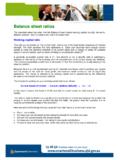
Transcription of Balance sheet ASSETS I. CURRENT ASSETS A. B.
1 1 Balance sheet ASSETS I. CURRENT ASSETS A. Liquid ASSETS : 1. Cash. 2. Cheques received. 3. Banks. 4. Cheques given and payment orders (-). 5. Other liquid ASSETS . B. Marketable Securities: 1. Share certificates. 2. Private sector bonds and notes. 3. Public sector bonds and notes. 4. Other marketable securities. 5. Provisions for decrease in value of marketable securities (-) C. Trade Receivables: 1. Customers. 2. Notes receivable. 3. Rediscounts on notes receivable (-). 4. Unearned financial leasing interest income (-) 5. Deposits and guarantees given. 6. Other trade receivables. 7. Doubtful trade receivables. 8. Provisions for doubtful trade receivables (-). D. Other Receivables: 1. Due from shareholders.
2 2 2 Due from subsidiaries. 3 Due from affiliates 4. Due from personnel. 5. Other trade receivables. 6. Rediscounts on other notes receivable (-). 7. Other doubtful receivables. 8. Provision for other doubtful receivables (-). E. Inventories: 1. Raw materials and supplies. 2. Semi finished goods, work-in process 3. Finished goods. 4. Trade goods. 5. Other inventories. 6. Provision for decrease in value of inventories (-). 7. Advances given for purchase orders. F. Deferred Construction and Maintenance Costs: 1. Deferred construction and maintenance costs. 2. Deferred construction inflation adjustment account. 3. Advances given to subcontractors. G. Prepaid Expenses and Income Accruals: 1. Prepaid expenses.
3 2. Income accruals. H. Other CURRENT ASSETS : 1. Deferred VAT. 2. Deductible VAT. 3. Other VAT. 3 4. Prepaid taxes and funds. 5. Work advances. 6. Advances to personnel. 7. Stock count and delivery shortages 8. Other CURRENT ASSETS . 9. Provision for other CURRENT ASSETS (-). II. Long-term ASSETS A. Trade Receivables: 1. Customers. 2. Notes receivable. 3. Rediscounts on notes receivable (-). 4. Unearned financial leasing interest income 5. Deposits and guarantees given. 6. Provisions for doubtful receivables (-). B. Other Receivables: 1. Due from shareholders. 2. Due from affiliates. 3. Due from subsidiaries. 4. Due from personnel. 5. Other receivables. 6. Rediscounts on other notes receivable (-).
4 7. Provision for other doubtful receivables (-). C. Financial Fixed ASSETS : 1. Long-term securities. 2. Provision for decrease in value of long-term securities (-). 3. Affiliates. 4 4. Capital commitments to affiliates. (-) 5. Provision for decrease in value of shares of affiliates (-). 6. Subsidiaries. 7. Capital commitments for subsidiaries (-). 8. Provision for decrease in value of shares of subsidiaries (-). 9. Other financial fixed ASSETS . 10. Provision for decrease in value of other financial fixed ASSETS (-) D. Tangible Fixed ASSETS : 1. Land. 2. Land improvements. 3. Buildings. 4. Plant, machinery and equipment. 5. Motor vehicles. 6. Furniture and fixtures. 7. Other tangible fixed ASSETS . 8. Accumulated depreciation (-).
5 9. Construction in progress. 10. Advances given. E. Intangible Fixed ASSETS : 1. Rights. 2. Goodwill. 3. Establishment and foundation expenses. 4. Research and development expenses. 5. Special costs. 6. Other intangible fixed ASSETS . 7. Accumulated depreciation (-). 5 8. Advances given. F. ASSETS Subject to Depletion: 1. Research Expenses. 2. Preparation and development expenses. 3. Other ASSETS subject to depletion. 4. Accumulated depletion (-). 5. Advances given. G. Prepaid Expenses and Income Accruals: 1. Prepaid expenses. 2. Income accruals. H. Other Fixed ASSETS : 1. VAT deductible in future years. 2. Other VAT. 3. Long-term inventories. 4. Inventories and tangible fixed ASSETS to be sold.
6 5. Prepaid taxes and funds 6. Other fixed ASSETS 7. Provision for decrease in value of inventories 8. Accumulated depreciation LIABILITIES I. Short-term Liabilities A. Financial Liabilities: 1. Bank loans. 2. Liabilities arising from financial leasing transactions 3. Deferred financial leasing borrowing costs (-) 4. CURRENT maturities of long-term credits and accrued interest. 6 5. CURRENT maturities of bonds and accrued interest. 6. Bonds and notes issued. 7. Other securities issued 8. Value difference of securities issued (-). 9. Other financial liabilities. B. Trade Payables: 1. Suppliers. 2. Notes payable. 3. Rediscounts on notes payable (-). 4. Deposits and guarantees received. 5. Other trade payables.
7 C. Other Liabilities: 1. Due to shareholders 2. Due to affiliates 3. Due to subsidiaries 4. Due to personnel 5. Rediscount on other notes payable (-) 6. Other liabilities D. Advances Received E. Progress for Long-term Construction and Repair Projects. 1. Progress payments for long-term construction and repair projects. 2. Long-term inflation adjustment accounts. F. Taxes Payable and Other Fiscal Liabilities: 1. Taxes and funds payable. 2. Social security withholdings payable. 3. Overdue, deferred or restructured taxes and other liabilities. 7 4. Other liabilities payable. G. Provisions for Liabilities and Expenses: 1. Provision for income taxes and other duties on profit. 2. Prepaid income taxes and other duties on profit (-).
8 3. Provision for termination indemnities. 4. Provision for other liabilities and expenses. H. Deferred Income and Expense Accruals: 1. Deferred income. 2. Expense accruals. I. Other Short-term Liabilities: 1. VAT payable. 2. Other VAT. 3. Head office and branch CURRENT accounts 4. Stock count and delivery surpluses Other short-term liabilities II. Long-term Liabilities A. Financial Liabilities: 1. Bank loans. 2. Leasing payables 3. Interest payables of deferred lease costs (-) 4. Bonds issued. 5. Other securities issued. 6. Value difference of securities issued (-). 7. Other financial liabilities. B. Trade Payables: 1. Suppliers. 2. Notes payable. 8 3. Rediscounts on notes payable (-) 4. Deposits and guarantees received.
9 5. Other trade payables. C. Other Payables: 1. Due to shareholders. 2. Due to affiliates. 3. Due to subsidiaries. 4. Rediscounts on other notes payable (-). 5. Debts to the public sector deferred or payable by instalments. 6. Other payables. D. Advances Received. E. Provisions for Debts and Expenses: 1. Provisions for termination indemnities. 2. Provisions for other debts and expenses. F. Income Relating to Future Periods and Expense Accruals: 1. Income relating to future periods. 2. Expense accruals. G. Other Long-term Liabilities: 1. VAT deferred to following years. 2. Other long-term liabilities. III. Shareholders' Equity A. Paid-in Capital: 1. Capital. 2. Unpaid capital (-). 3. Positive distinction from share capital adjustment.
10 4. Negative distinction from share capital adjustment (-) 9 B. Capital Reserves: 1. Share premiums. 2. Profit from invalidation of shares. 3. Revaluation fund of tangible fixed ASSETS . 4. Revaluation fund of affiliates. 5. Cost increase fund 6. Other capital reserves. C. Profit Reserves: 1. Legal reserves. 2. Statutory reserves. 3. Extraordinary reserves. 4. Other profit reserves. 5. Special funds. D. Previous years profits E. Previous years' losses (-). F. Profit/Loss for the Period. 10 Balance sheet Footnotes 1 The upper limit of registered capital of corporations where the registered capital system is accepted ..(TL) 2 Payments to top managers such as chairman and members of The Board, general manager, general coordinator, assistant general manager and general secretary; (a) The total amount of all types of advances and loans granted in the CURRENT accounting period.